

Hey there! As a supplier of Acrylic Conductive Yarn, I've been getting a lot of questions lately about whether this nifty stuff can be used in energy - harvesting textiles. Well, let's dive right in and explore this topic together.
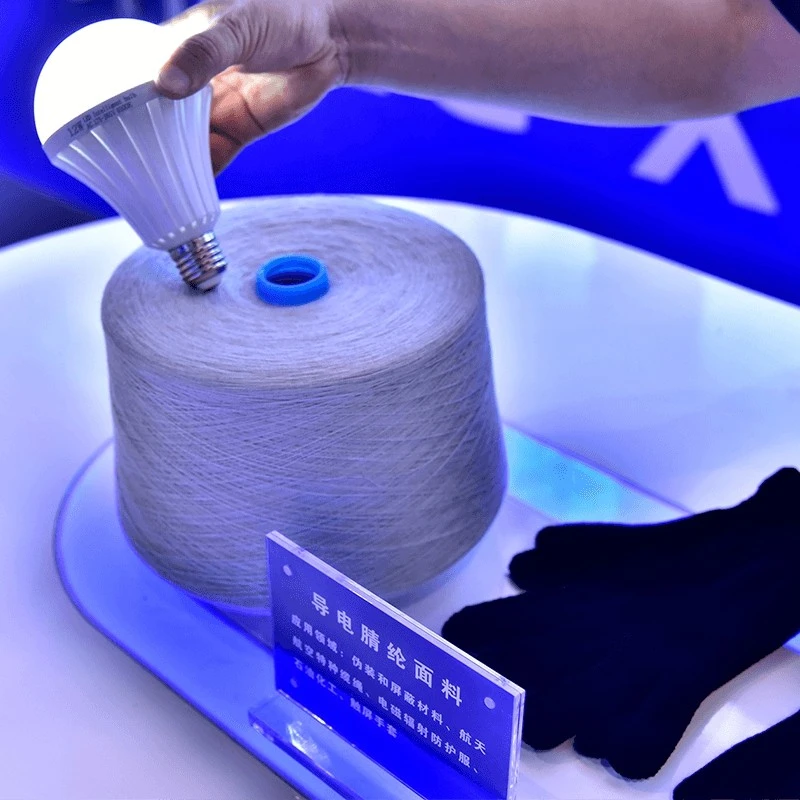
First off, what the heck is Acrylic Conductive Yarn? It's a type of yarn that combines the properties of acrylic, which is known for its softness, durability, and resistance to sunlight and chemicals, with conductive elements. You can check out more about it here: Acrylic Conductive Yarn. This combination allows the yarn to conduct electricity, which opens up a whole world of possibilities, especially in the realm of smart textiles.
Now, let's talk about energy - harvesting textiles. These are fabrics that can capture and convert various forms of energy, like solar, mechanical, or thermal energy, into electrical energy. Think of them as little power plants woven into your clothes. The idea behind energy - harvesting textiles is super cool. You could have a jacket that charges your phone as you walk, or a shirt that powers a small sensor to monitor your health.
So, can our Acrylic Conductive Yarn be used in these energy - harvesting textiles? The short answer is yes, and here's why.
Electrical Conductivity
The most obvious reason is its conductivity. For energy - harvesting textiles to work, they need a way to transfer the captured energy. Our Acrylic Conductive Yarn provides a reliable pathway for the electrical current. It can carry the electricity generated by energy - harvesting mechanisms, like piezoelectric materials that convert mechanical stress into electrical charge, or thermoelectric materials that generate electricity from temperature differences.
Flexibility and Comfort
Acrylic is a very flexible and comfortable material. When used in textiles, it allows for a wide range of movement without sacrificing comfort. This is crucial for energy - harvesting textiles, which are often designed to be worn on the body. Unlike some other conductive materials that can be stiff and uncomfortable, our Acrylic Conductive Yarn can be integrated into fabrics in a way that feels just like regular clothing. You won't even notice you're wearing a high - tech energy - harvesting garment!
Durability
Energy - harvesting textiles need to be durable. They'll be exposed to all sorts of wear and tear, whether it's from daily use, washing, or environmental factors. Acrylic is known for its durability. It resists abrasion, sunlight, and chemicals, which means that the conductive yarn will maintain its performance over time. This is important because you don't want your energy - harvesting textile to stop working after just a few uses.
Compatibility with Other Materials
Another advantage of our Acrylic Conductive Yarn is its compatibility with other materials commonly used in energy - harvesting textiles. It can be easily blended with other fibers, like cotton or polyester, to create a fabric with the desired properties. For example, you could combine it with a piezoelectric fiber to create a fabric that generates electricity when stretched or bent.
Cost - Effectiveness
Let's face it, cost matters. Acrylic is generally more affordable compared to some other conductive materials. This makes our Acrylic Conductive Yarn a cost - effective option for energy - harvesting textiles. Manufacturers can use it to produce high - quality, functional fabrics without breaking the bank.
Real - World Applications
Now, let's take a look at some real - world applications where our Acrylic Conductive Yarn could be used in energy - harvesting textiles.
Wearable Technology
In the world of wearable technology, energy - harvesting textiles could be a game - changer. Imagine a smartwatch that never needs to be charged because it's powered by the energy generated by your movements. Our Acrylic Conductive Yarn could be used to connect the energy - harvesting components of the watch to the battery or other electronic parts.
Outdoor Gear
For outdoor enthusiasts, energy - harvesting textiles could provide a reliable source of power. A backpack made with energy - harvesting fabric could charge your phone or other devices as you hike. Our Acrylic Conductive Yarn could be used in the construction of the fabric to ensure efficient energy transfer.
Home Textiles
Even in our homes, energy - harvesting textiles could have a place. Curtains made with these fabrics could generate electricity from sunlight, helping to power small appliances in the room. Again, our Acrylic Conductive Yarn could be used to connect the energy - harvesting elements and distribute the electricity.
Challenges and Limitations
Of course, it's not all sunshine and rainbows. There are some challenges and limitations to using Acrylic Conductive Yarn in energy - harvesting textiles.
Conductivity Limits
While our yarn is conductive, it may not have the same level of conductivity as some specialized conductive materials. In applications where high - power energy transfer is required, this could be a limitation. However, for low - power applications, like charging small devices or powering sensors, it works just fine.
Environmental Conditions
Extreme environmental conditions can affect the performance of the yarn. For example, very high or low temperatures could impact its conductivity. Manufacturers need to take these factors into account when designing energy - harvesting textiles.
Integration Challenges
Integrating the yarn into textiles can be a bit tricky. It requires specialized manufacturing processes to ensure that the yarn is evenly distributed and properly connected to other components. This may require some investment in equipment and training.
Conclusion
So, to sum it up, our Acrylic Conductive Yarn definitely has a place in the world of energy - harvesting textiles. Its conductivity, flexibility, durability, compatibility, and cost - effectiveness make it a great option for a wide range of applications. While there are some challenges and limitations, with the right design and manufacturing processes, these can be overcome.
If you're interested in using our Acrylic Conductive Yarn for your energy - harvesting textile projects, or if you have any questions, feel free to reach out for a procurement discussion. We also offer other types of industrial yarns, such as PE Anti - cutting Yarn and Aramid Anti - cutting Yarn, which may also be useful in your applications.
Let's work together to bring the future of energy - harvesting textiles to life!

References
- Some scientific research on conductive polymers and their applications in textiles.
- Industry reports on the development of energy - harvesting textiles.
- Manufacturer's specifications for Acrylic Conductive Yarn.