

Hey there! As a supplier of linen cotton fabric, I often get asked whether this type of fabric can be used for making curtains. Well, the short answer is a resounding yes! But let's dive deeper into the details to understand why linen cotton fabric is a great choice for curtains.
What is Linen Cotton Fabric?
First off, let's break down what linen cotton fabric actually is. It's a blend of two natural fibers: linen, which comes from the flax plant, and cotton, derived from the cotton plant. This combination brings together the best of both worlds. Linen is known for its strength, breathability, and natural luster, while cotton is soft, comfortable, and easy to care for. When you blend them, you get a fabric that's durable, versatile, and has a unique texture.

Advantages of Using Linen Cotton Fabric for Curtains
Aesthetic Appeal
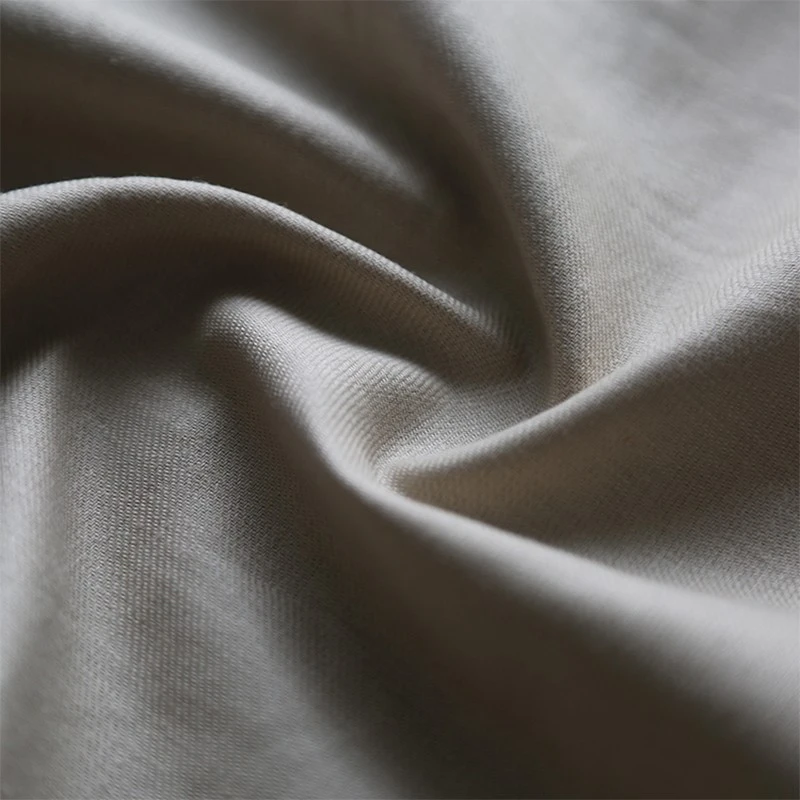
One of the main reasons people choose linen cotton fabric for curtains is its aesthetic appeal. It has a natural, rustic look that can add a touch of warmth and charm to any room. The fabric has a slightly textured surface that gives it a unique character, and it comes in a wide range of colors and patterns. Whether you're going for a modern, minimalist look or a more traditional, cozy feel, there's a linen cotton fabric that will suit your style. For instance, our Cotton Linen Twill Fabric has a classic twill weave that adds a subtle sophistication to any window treatment.
Durability
Curtains are an investment, and you want them to last. Linen cotton fabric is extremely durable, thanks to the strength of the linen fibers. It can withstand regular use, including opening and closing, without showing signs of wear and tear. This means you won't have to replace your curtains as often, saving you money in the long run.
Breathability
Another great advantage of linen cotton fabric is its breathability. Both linen and cotton are natural fibers that allow air to circulate, preventing the buildup of heat and moisture in the room. This can help keep your home cool and comfortable, especially during the hot summer months. Our Breathable Linen Cotton Dyed Fabric is specifically designed to maximize breathability, making it a perfect choice for curtains in bedrooms, living rooms, or any other space where you want to promote good air flow.
Light Control
Depending on the thickness and weave of the fabric, linen cotton curtains can offer varying degrees of light control. If you want to block out sunlight completely, you can choose a heavier, more tightly woven fabric. On the other hand, if you prefer a soft, diffused light, a lighter, more loosely woven fabric will do the trick. This versatility allows you to customize your curtains to meet your specific needs.
Easy Maintenance
Let's face it, nobody wants to spend hours cleaning their curtains. The good news is that linen cotton fabric is relatively easy to maintain. It can be machine washed on a gentle cycle and dried on low heat. Just make sure to follow the care instructions on the fabric label to ensure its longevity. Our Soft Linen Cotton Dyed Fabric is not only soft and comfortable but also easy to clean, making it a practical choice for busy households.
Considerations When Using Linen Cotton Fabric for Curtains
While linen cotton fabric has many advantages, there are a few things to keep in mind when using it for curtains.
Shrinkage
Linen has a tendency to shrink when it's washed, so it's important to pre - wash the fabric before making your curtains. This will help minimize shrinkage and ensure that your curtains fit properly after they're made. Make sure to use a gentle detergent and follow the washing instructions carefully.
Wrinkling
Linen cotton fabric is prone to wrinkling, which can give it a lived - in, casual look. If you prefer a more crisp, polished appearance, you may need to iron the curtains regularly. However, some people actually like the natural, wrinkled look of linen cotton curtains, as it adds to their charm.
Colorfastness
When choosing a dyed linen cotton fabric, it's important to consider its colorfastness. Make sure to test a small piece of the fabric before using it to make your curtains. This will help you determine whether the color will bleed or fade over time, especially when exposed to sunlight or during the washing process.
How to Choose the Right Linen Cotton Fabric for Your Curtains
Weight
The weight of the fabric is an important factor to consider. Heavier fabrics are better for blocking out light and providing more privacy, while lighter fabrics are more suitable for a sheer, airy look. If you're using the curtains in a bedroom or a media room where you need to block out sunlight, choose a heavier linen cotton fabric. For a living room or a dining room, a lighter fabric may be more appropriate.
Weave
The weave of the fabric also affects its appearance and functionality. Twill weaves, like the one in our Cotton Linen Twill Fabric, are more structured and have a diagonal pattern. Plain weaves are simpler and more breathable. Choose a weave that suits your style and the purpose of the curtains.
Color and Pattern
As mentioned earlier, linen cotton fabric comes in a wide range of colors and patterns. Consider the color scheme of your room when choosing the fabric for your curtains. You can either match the curtains to the existing decor or use them as a focal point by choosing a bold color or pattern.
Conclusion
In conclusion, linen cotton fabric is an excellent choice for making curtains. It offers a perfect combination of aesthetic appeal, durability, breathability, and easy maintenance. Whether you're looking for a classic, traditional look or a more modern, trendy style, there's a linen cotton fabric that will meet your needs.
If you're interested in purchasing linen cotton fabric for your curtains or have any questions, don't hesitate to reach out. We're here to help you choose the right fabric and ensure that you're satisfied with your purchase. Let's start a conversation and see how we can bring your curtain ideas to life!
References
- Textile Institute. "Handbook of Textile Fibres." Woodhead Publishing, 2019.
- ASTM International. "Standards for Textile Testing." ASTM International, 2020.