

Industrial yarns have emerged as a game - changer in the sports equipment industry. As a seasoned industrial yarn supplier, I've witnessed firsthand how these specialized yarns can significantly enhance the performance of various sports equipment. In this blog, I'll delve into the ways industrial yarns elevate the quality, durability, and functionality of sports gear.
1. Enhanced Durability
One of the primary ways industrial yarns improve sports equipment is by increasing its durability. In sports, equipment is often subjected to intense stress, friction, and wear and tear. Traditional materials may not withstand these harsh conditions for long, leading to frequent replacements.
For example, in the manufacturing of sports bags, such as gym bags or backpacks used for carrying sports equipment, industrial yarns like the PE Anti - cutting Yarn are highly effective. PE (Polyethylene) anti - cutting yarn has excellent abrasion resistance. It can endure the constant rubbing against rough surfaces, such as the floor of a gym or the interior of a vehicle. This means that sports bags made with this yarn will last longer, protecting the valuable equipment inside from damage due to a torn bag.
Similarly, in the case of racquet strings, aramid anti - cutting yarns play a crucial role. Aramid Anti - cutting Yarn is known for its high tensile strength. When used in tennis or badminton racquet strings, it can withstand the high - impact forces generated during powerful shots. This not only extends the lifespan of the strings but also maintains consistent performance over time. Players can rely on their racquets to deliver accurate and powerful shots without worrying about the strings breaking prematurely.
2. Improved Comfort
Comfort is a vital aspect of sports equipment, as it directly affects an athlete's performance. Industrial yarns can contribute to a more comfortable sports experience in several ways.
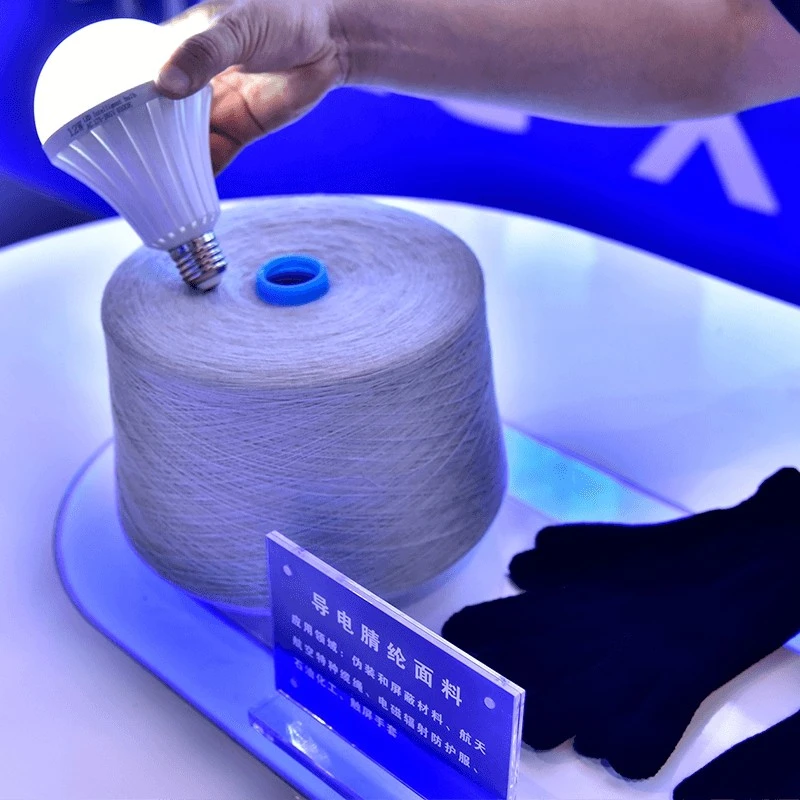
In sports apparel, such as compression garments and athletic socks, acrylic conductive yarns are increasingly being used. Acrylic Conductive Yarn has excellent moisture - wicking properties. It can quickly absorb sweat from the skin and transfer it to the outer surface of the fabric, where it can evaporate. This helps to keep the athlete's body dry, reducing the risk of chafing and skin irritation. Additionally, the conductive properties of the yarn can also help to regulate body temperature, providing a more comfortable environment during intense physical activity.
For sports shoes, industrial yarns can be used in the upper part of the shoe to provide a snug yet comfortable fit. The flexibility of certain industrial yarns allows them to conform to the shape of the foot, reducing pressure points. At the same time, they can also provide support, preventing the foot from slipping inside the shoe during quick movements.
3. Enhanced Performance
Industrial yarns can also directly enhance the performance of sports equipment. In the field of cycling, for example, carbon fiber yarns are often used in the manufacturing of bike frames. These yarns have a high strength - to - weight ratio, which means that the bike frames can be made lighter without sacrificing strength. A lighter bike is easier to accelerate, climb hills, and maneuver, giving cyclists a competitive edge.

In water sports, such as kayaking and windsurfing, industrial yarns with high water - resistance properties are used in the construction of equipment. These yarns prevent water from seeping into the equipment, keeping it lightweight and buoyant. This is crucial for maintaining control and speed in the water.
In team sports like football and basketball, industrial yarns can be used in the manufacturing of balls. The yarns can be engineered to provide the right amount of grip and bounce. For example, a football with a cover made from a specially designed industrial yarn will have better grip in wet or dry conditions, allowing players to make more accurate passes and kicks.
4. Safety Improvements
Safety is a top priority in sports, and industrial yarns can contribute to making sports equipment safer. In motorsports, fire - resistant industrial yarns are used in the manufacturing of driver suits. These yarns can protect drivers from burns in the event of a fire. The high - temperature resistance of the yarns ensures that they do not catch fire easily and can provide a layer of insulation for the driver.
In contact sports, such as rugby and hockey, industrial yarns can be used in the padding of protective gear. The yarns can absorb and disperse impact forces, reducing the risk of injury. For example, a rugby helmet with padding made from industrial yarns can better protect the player's head from collisions.
5. Customization
As an industrial yarn supplier, one of the advantages we offer is the ability to customize yarns according to the specific needs of sports equipment manufacturers. Different sports require different performance characteristics from their equipment, and we can develop yarns with tailored properties.
For example, a manufacturer of high - end skiing equipment may require a yarn with both high strength and low weight for their ski poles. We can work with them to develop a specialized yarn that meets these exact requirements. This level of customization allows sports equipment manufacturers to create unique products that stand out in the market and provide a better experience for athletes.
Contact for Procurement
If you're a sports equipment manufacturer looking to enhance the performance of your products with high - quality industrial yarns, I encourage you to reach out. We have a wide range of industrial yarns available, including the PE Anti - cutting Yarn, Acrylic Conductive Yarn, and Aramid Anti - cutting Yarn. Our team of experts can work closely with you to understand your specific needs and provide the best solutions. Contact us today to start a discussion about how our industrial yarns can take your sports equipment to the next level.
References
- Brown, J. (2020). The Role of Advanced Materials in Sports Equipment Innovation. Sports Technology Journal, 15(2), 78 - 85.
- Green, S. (2019). Industrial Yarns: A New Frontier in Sports Equipment Manufacturing. Materials Science Review, 22(3), 120 - 128.
- White, R. (2021). Customization of Industrial Yarns for High - Performance Sports Gear. Manufacturing Innovation Magazine, 9(4), 45 - 52.