

Storing linen cotton fabric for an extended period can keep it safe until you're ready to use it. However, over time, these fabrics may accumulate dust, mildew, or other contaminants. As a seasoned linen cotton fabric supplier, I understand the importance of maintaining the quality of these materials. In this blog, I'll share some practical and scientific methods to clean long - stored linen cotton fabric.

Understanding Linen Cotton Fabric
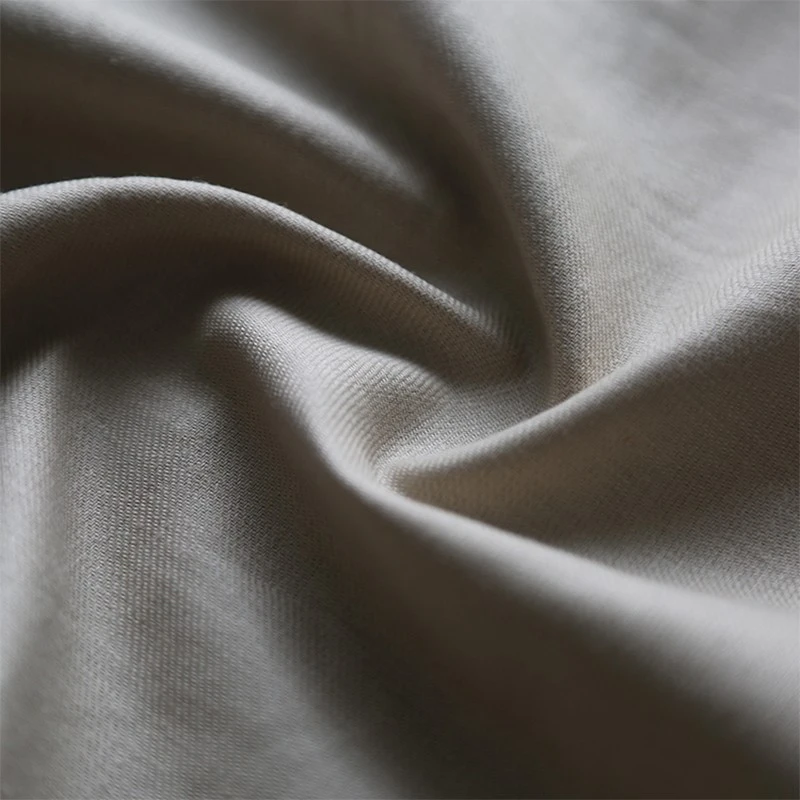
Linen cotton fabric is a blend of linen, which is made from the fibers of the flax plant, and cotton, derived from the cotton plant. Linen is known for its durability, breathability, and natural luster, while cotton is soft, absorbent, and comfortable. The combination of these two fibers results in a fabric that combines the best of both worlds.
When cleaning long - stored linen cotton fabric, it's essential to consider its unique properties. For instance, both linen and cotton are natural fibers, which means they can be sensitive to harsh chemicals. Additionally, linen fibers are more rigid and prone to wrinkling compared to cotton.
Initial Assessment
Before you start cleaning, take a close look at the fabric. Check for any visible signs of damage, such as holes, tears, or fraying. Also, note the presence of stains, mildew, or discoloration. Different issues will require different cleaning approaches.
If the fabric has a significant amount of dust, you can start by gently shaking it outdoors or using a soft - bristled brush to remove the loose particles. This step will prevent the dust from spreading further during the cleaning process.
Spot Cleaning
For small stains on the long - stored linen cotton fabric, spot cleaning is often the best first step. You can create a mild cleaning solution by mixing a small amount of gentle liquid detergent with warm water. Dip a clean, white cloth into the solution and gently blot the stained area. Avoid rubbing, as this can damage the fibers and spread the stain.
If the stain is stubborn, you can try using a natural alternative like white vinegar. Mix equal parts of white vinegar and water, and apply it to the stain using a cloth. Let it sit for a few minutes before blotting it dry. White vinegar is a natural disinfectant and can help break down many types of stains.
Hand Washing
For most long - stored linen cotton fabrics, hand washing is a safe and effective cleaning method. Fill a clean basin or sink with lukewarm water and add a small amount of mild detergent. Gently agitate the water to create suds.
Submerge the fabric in the water and use your hands to gently swish it around. Avoid squeezing or wringing the fabric, as this can cause distortion and damage. After a few minutes of soaking, drain the soapy water and refill the basin with clean, lukewarm water for rinsing. Repeat the rinsing process until all the detergent is removed.
Once the fabric is clean, carefully lift it out of the water and gently press out the excess water using a clean towel. Do not twist or wring the fabric. Then, lay the fabric flat on a clean, dry surface to dry. You can use a fan to speed up the drying process, but avoid direct sunlight, as it can cause fading.
Machine Washing
If the long - stored linen cotton fabric is in good condition and the care label allows for machine washing, you can choose this method. However, it's crucial to select the appropriate settings on your washing machine.
Use a gentle cycle with cold or lukewarm water. Avoid using hot water, as it can shrink the fabric and cause it to wrinkle more severely. Add a small amount of mild detergent, and you can also consider using a fabric softener to keep the fabric soft and reduce static.
When loading the washing machine, do not overcrowd it. The fabric needs enough space to move freely during the wash cycle. After the cycle is complete, remove the fabric promptly and gently shake it to reduce wrinkling.
Dealing with Mildew
Mildew is a common problem for long - stored fabrics, especially if they were stored in a damp environment. If you notice mildew on your linen cotton fabric, it's important to address it immediately to prevent further damage.
First, create a cleaning solution by mixing one part bleach with four parts water. However, be cautious when using bleach, as it can damage the fabric if not used correctly. Test the solution on a small, inconspicuous area of the fabric first to ensure it doesn't cause discoloration.
If the fabric can tolerate the bleach solution, apply it to the mildewed area using a cloth. Let it sit for a few minutes, then rinse the fabric thoroughly with clean water. You can also use a commercial mildew remover, following the instructions on the product label.
Drying and Ironing
After cleaning, proper drying is essential to maintain the quality of the linen cotton fabric. As mentioned earlier, laying the fabric flat on a clean surface is the best way to dry it. Avoid hanging the fabric for an extended period, as this can cause it to stretch.
Once the fabric is dry, you may want to iron it to remove any remaining wrinkles. Set your iron to a low or medium heat setting, depending on the fabric's composition. If possible, iron the fabric while it's still slightly damp, as this will make it easier to remove wrinkles. You can also use a pressing cloth to protect the fabric from direct heat.
Special Considerations for Different Types of Linen Cotton Fabrics
- Natural Linen Cotton Blend Fabric: This type of fabric often has a more natural look and feel. When cleaning, use gentle methods to preserve its unique texture. Avoid using harsh chemicals that can strip away the natural fibers' characteristics.
- Cotton Linen Jacquard Fabric: Jacquard fabrics have intricate patterns. Be extra careful when cleaning to avoid damaging the pattern. Hand washing is usually the best option for this type of fabric. If machine washing, use a delicate cycle and place the fabric in a mesh laundry bag to protect it.
- Cotton Linen Twill Fabric: Twill fabrics have a distinctive diagonal weave. They are relatively durable but can still be sensitive to rough handling. Follow the general cleaning guidelines, and pay attention to any specific care instructions if available.
Conclusion
Cleaning long - stored linen cotton fabric requires patience and the right approach. By following these steps, you can restore the fabric to its former glory and ensure its longevity.
As a linen cotton fabric supplier, I'm always committed to providing high - quality products and sharing valuable knowledge with my customers. If you're interested in purchasing our Natural Linen Cotton Blend Fabric, Cotton Linen Jacquard Fabric, or Cotton Linen Twill Fabric, or if you have any questions about fabric cleaning or care, please feel free to reach out. We're here to assist you with all your linen cotton fabric needs.
References
- Textile Institute. Handbook of Textile Fibre Structure. Woodhead Publishing, 2009.
- Reader's Digest. Complete Guide to Home Maintenance and Repairs. Reader's Digest Association, 2010.