

Linen cotton fabric is a popular choice for many due to its breathability, durability, and natural aesthetic. However, one common issue that users often encounter is water stains. As a supplier of high - quality linen cotton fabric, including Natural Linen Cotton Blend Fabric, Eco - friendly Linen Cotton Dyed Fabric, and RANDOMIZED LINEN AND COTTON WEAVE, I understand the importance of maintaining the fabric's appearance. In this blog, I'll share some effective ways to treat water stains on linen cotton fabric.
Understanding the Nature of Water Stains on Linen Cotton Fabric
Before diving into the treatment methods, it's crucial to understand why water stains occur on linen cotton fabric. Linen is made from the fibers of the flax plant, and cotton is derived from the cotton plant. These natural fibers have unique absorbent properties. When water comes into contact with the fabric, it can leave behind minerals, dirt, or other impurities that were present in the water. Additionally, if the fabric is dyed, the water can sometimes cause the dye to migrate, resulting in a visible stain.
Immediate Actions for Fresh Water Stains
When you notice a fresh water stain on your linen cotton fabric, the first step is to act quickly. Blot the stain gently with a clean, dry cloth. Avoid rubbing the stain, as this can spread the water and the impurities it contains further into the fabric. Press the cloth firmly onto the stain to absorb as much water as possible.
If the water stain is from clean water, you can try using a spray bottle filled with distilled water. Lightly mist the stained area and then blot it again. Distilled water is free from minerals and other contaminants that could potentially leave a permanent stain. This process can help dilute and remove any remaining impurities in the fabric.
Treating Stubborn Water Stains
Using Mild Detergents
For more stubborn water stains, a mild detergent can be an effective solution. Choose a detergent that is specifically formulated for delicate fabrics. Mix a small amount of the detergent with lukewarm water in a bowl. Dip a clean, soft cloth into the soapy solution and wring it out until it's damp, not soaking wet.
Gently blot the stained area with the damp cloth. Work from the outer edges of the stain towards the center to prevent spreading. After blotting, rinse the cloth in clean water and use it to remove any soap residue from the fabric. Finally, blot the area dry with a clean, dry cloth.
Vinegar Solution
Vinegar is a natural cleaning agent that can be very effective in removing water stains from linen cotton fabric. Mix equal parts of white vinegar and water in a spray bottle. Spray the solution onto the stained area and let it sit for a few minutes. The acidic nature of vinegar helps to break down the minerals and impurities in the stain.
After a few minutes, blot the area with a clean cloth. If the stain is still visible, you can repeat the process. Once the stain is removed, rinse the area with clean water to remove any vinegar smell.
Baking Soda Paste
Baking soda is another household item that can be used to treat water stains. Make a paste by mixing baking soda with a small amount of water. The paste should be thick enough to stick to the fabric but not too dry.
Apply the paste to the stained area and gently rub it in using a soft brush or your fingers. Let the paste sit on the stain for about 15 - 20 minutes. Then, rinse the area with clean water and blot it dry. Baking soda helps to neutralize odors and can also lift stubborn stains.
Professional Cleaning for Severe Stains
If the water stain is particularly severe or if you're unsure about treating it yourself, it's advisable to take the fabric to a professional cleaner. Professional cleaners have the expertise and specialized equipment to handle different types of stains on linen cotton fabric. They can use professional - grade cleaning agents and techniques that are safe for the fabric.
Preventing Water Stains on Linen Cotton Fabric
Prevention is always better than cure. Here are some tips to prevent water stains on your linen cotton fabric:
- Avoid Contact with Dirty Water: Be careful when handling the fabric around water sources that may contain dirt or other impurities. For example, when washing dishes or working in the garden, avoid splashing dirty water on your linen cotton clothing or home decor items.
- Proper Storage: Store your linen cotton fabric in a dry, clean place. Humidity can cause the fabric to absorb moisture from the air, which can lead to water stains over time. Use a dehumidifier in areas where the fabric is stored if necessary.
- Regular Cleaning: Regularly clean your linen cotton fabric according to the care instructions. This can help prevent the buildup of dirt and other substances that could contribute to water stains.
Choosing the Right Linen Cotton Fabric to Minimize Staining
As a linen cotton fabric supplier, I recommend considering the type of fabric you purchase. Our Natural Linen Cotton Blend Fabric is made from high - quality natural fibers that are less likely to show water stains compared to some lower - quality fabrics. The blend of linen and cotton provides a balance of durability and softness, making it more resistant to staining.

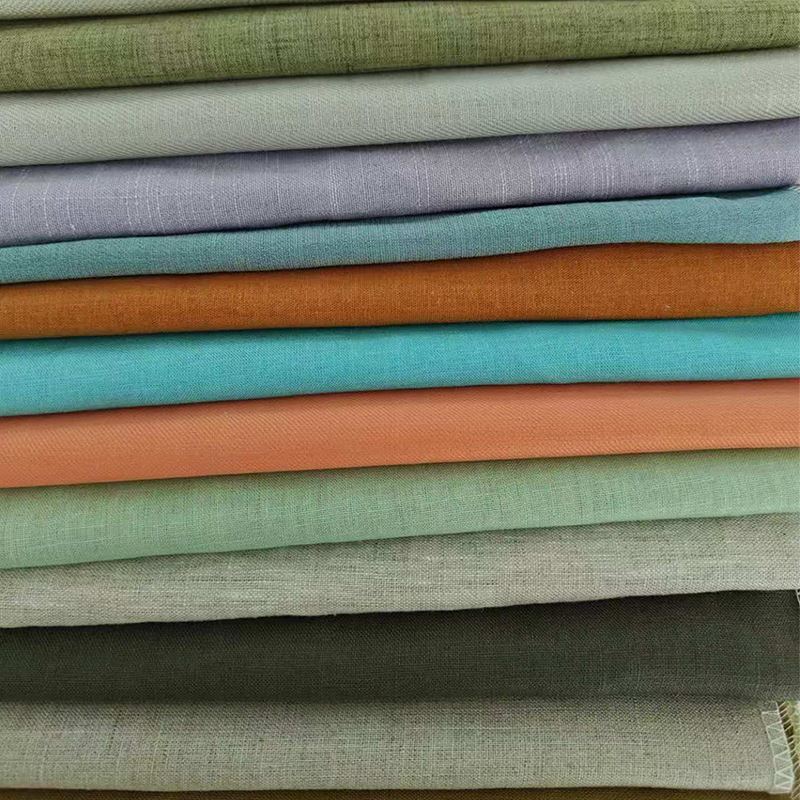
Our Eco - friendly Linen Cotton Dyed Fabric uses environmentally friendly dyes that are less likely to bleed or migrate when in contact with water. This reduces the risk of water - related dye stains. Additionally, the RANDOMIZED LINEN AND COTTON WEAVE has a unique texture that can sometimes make water stains less noticeable.
Conclusion
Treating water stains on linen cotton fabric requires a combination of understanding the fabric's properties, using the right cleaning methods, and taking preventive measures. By following the tips and techniques outlined in this blog, you can effectively remove water stains and keep your linen cotton fabric looking its best.
If you're in the market for high - quality linen cotton fabric, whether it's for clothing, home decor, or other applications, we are here to assist you. Our wide range of products, including Natural Linen Cotton Blend Fabric, Eco - friendly Linen Cotton Dyed Fabric, and RANDOMIZED LINEN AND COTTON WEAVE, is designed to meet your specific needs. Contact us to discuss your requirements and start your procurement process.
References
- "Textile Science: An Introduction" by J. E. Booth
- "The Complete Guide to Natural Fiber Fabrics" by Carol Feller