

Is linen viscose fabric breathable?
As a seasoned supplier of linen viscose fabric, I've encountered numerous inquiries regarding the breathability of this unique textile. In this blog, I'll delve into the science behind linen viscose fabric's breathability, exploring its composition, properties, and real - world applications.
Composition of Linen Viscose Fabric
First, let's understand what linen viscose fabric is made of. Linen is derived from the fibers of the flax plant. Flax fibers are long, strong, and have a natural porous structure. These pores allow air to circulate easily through the fabric, making linen a well - known breathable material. It has been used for centuries in warm climates due to its ability to keep the body cool.
Viscose, on the other hand, is a semi - synthetic fiber made from wood pulp. It is known for its softness, drapability, and ability to mimic the look and feel of natural fibers like silk and cotton. Viscose has good absorbency, which means it can soak up moisture from the skin.

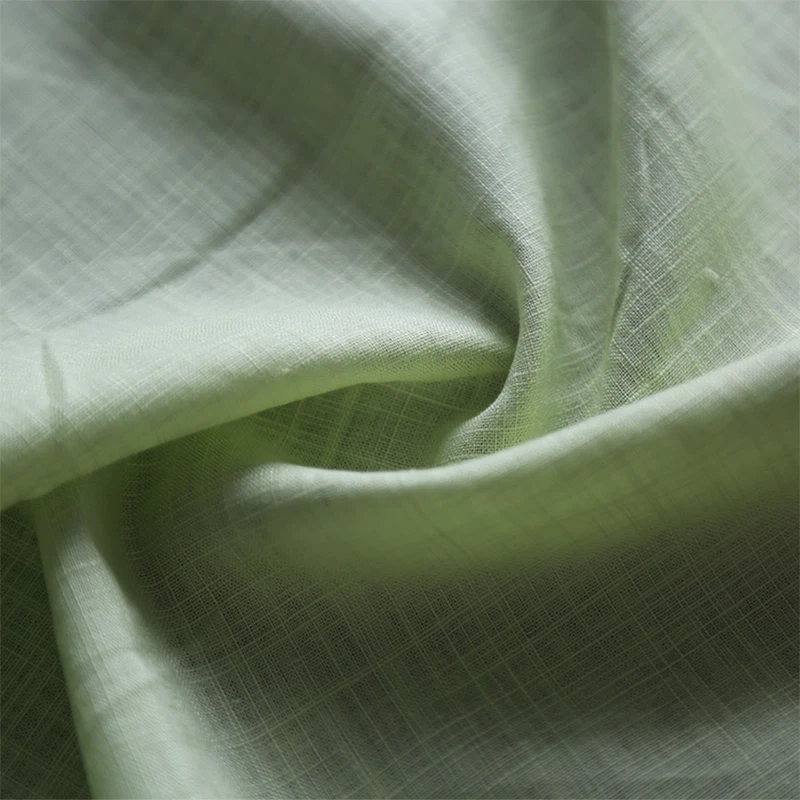
When these two fibers are combined to create linen viscose fabric, they bring together the best of both worlds. The porous nature of linen provides air channels, while the absorbent quality of viscose helps in managing moisture.
The Science of Breathability
Breathability in fabric is determined by several factors, including fiber structure, fabric weave, and moisture management.
Fiber Structure
The natural structure of linen fibers is one of the key contributors to the breathability of linen viscose fabric. Linen fibers have a hollow core and a rough surface, which allows air to flow freely through the fabric. This airflow helps in dissipating heat and moisture from the body, keeping the wearer cool and comfortable.
Viscose fibers, although smoother than linen, have a high affinity for water. They can absorb up to 50% more moisture than cotton, which is significant. When viscose in the linen viscose blend absorbs moisture from the skin, it creates a cooling effect as the moisture evaporates.
Fabric Weave
The way the fabric is woven also affects its breathability. Loose weaves, such as plain weaves or open - mesh weaves, are more breathable than tight weaves. In a linen viscose fabric with a loose weave, air can easily pass through the gaps between the yarns, enhancing ventilation. For example, a lightweight, loosely woven linen viscose fabric is ideal for summer clothing as it allows for maximum air circulation.
Moisture Management
Effective moisture management is crucial for breathability. Linen viscose fabric excels in this aspect. The viscose component absorbs moisture from the skin, while the linen allows the moisture to evaporate quickly. This process helps in maintaining a dry and comfortable micro - climate between the skin and the fabric.
Real - World Applications
The breathability of linen viscose fabric makes it suitable for a wide range of applications.
Clothing
In the fashion industry, linen viscose fabric is a popular choice for summer clothing. Shirts, dresses, and trousers made from this fabric are not only stylish but also comfortable to wear in hot weather. For instance, a linen viscose blouse allows air to circulate around the body, preventing the build - up of heat and sweat. The fabric's ability to absorb and release moisture quickly also reduces the risk of unpleasant odors.
Home Textiles
Linen viscose fabric is also used in home textiles such as bed sheets and curtains. Bed sheets made from this fabric provide a cool and comfortable sleeping surface. The breathability of the fabric helps in regulating body temperature during sleep, ensuring a restful night. Curtains made from linen viscose fabric can allow air to flow into the room, creating a well - ventilated and comfortable living environment.
Our Product Range
At our company, we offer a diverse range of linen viscose fabrics. Our Eco - friendly Linen Viscose Dyed Fabric is not only breathable but also environmentally friendly. It is dyed using eco - friendly processes, making it a sustainable choice for conscious consumers.
Our Viscose Linen Slub Fabric has a unique slub texture, which adds a touch of rustic charm to the fabric. Despite its textured appearance, it retains excellent breathability, making it suitable for both casual and formal wear.
The Nature Linen Viscose Dyed Fabric is another popular option. It has a natural look and feel, and its breathability makes it perfect for outdoor clothing and summer accessories.
Conclusion
In conclusion, linen viscose fabric is indeed breathable. Its unique combination of linen's porous structure and viscose's absorbency allows for excellent air circulation and moisture management. Whether it's used in clothing or home textiles, this fabric provides a comfortable and cool experience.
If you're interested in our high - quality linen viscose fabrics, we invite you to contact us for a purchase negotiation. We're committed to providing the best products and services to meet your needs.
References
- Textile Institute. "The Science of Textiles." Manchester: The Textile Institute, 2018.
- Horrocks, A. R., & Anand, S. C. (Eds.). "Handbook of Technical Textiles." Woodhead Publishing, 2000.
- Tortora, P. G., & Merkel, J. B. "Fairchild's Dictionary of Textiles." Fairchild Books, 2015.