

Hey there! As a supplier of linen viscose fabric, I often get asked about whether this fabric is static-prone. It's a great question, and one that I'm more than happy to dive into.
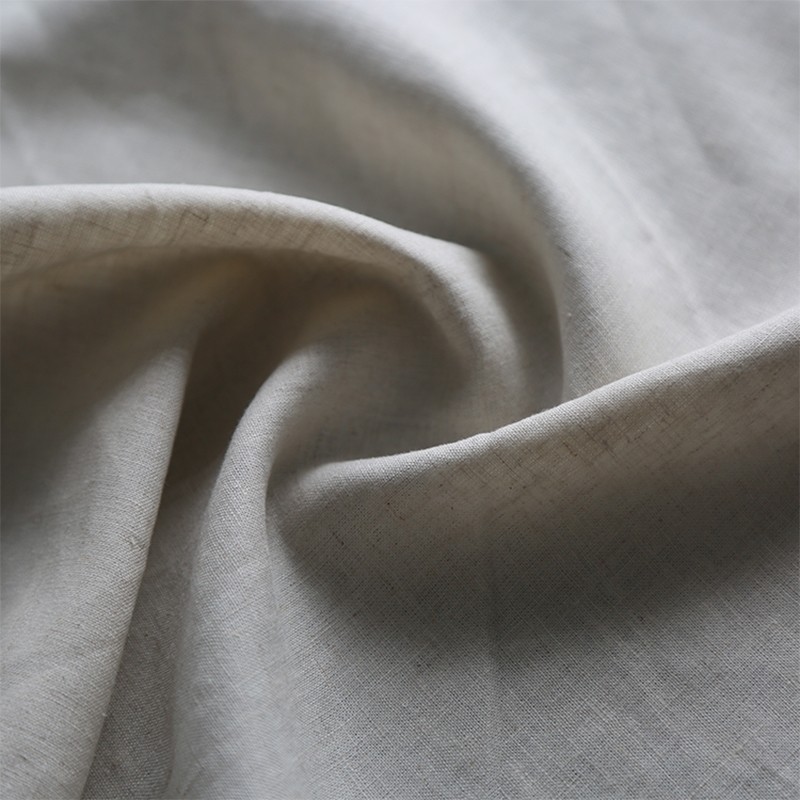
First off, let's quickly break down what linen viscose fabric is. Linen is made from the fibers of the flax plant. It's known for being breathable, durable, and having a natural, rustic look. Viscose, on the other hand, is a semi-synthetic fiber made from wood pulp. It's super soft, has a nice drape, and can mimic the look of silk or cotton. When you combine these two fibers, you get a fabric that has the best of both worlds - the breathability and durability of linen, and the softness and drape of viscose.
Now, let's talk about static. Static electricity occurs when there's an imbalance of electric charges within or on the surface of a material. You've probably experienced it when you walk across a carpet and then get a shock when you touch a metal object, or when your clothes stick to your body. So, is linen viscose fabric prone to this annoying static buildup?
Well, it depends on a few factors. One of the main factors is the environment. In dry conditions, static electricity is more likely to build up. This is because dry air doesn't conduct electricity as well as moist air. So, if you're in a place with low humidity, like a heated room in the winter, you might notice more static in your linen viscose clothes.
Another factor is the blend ratio of linen and viscose in the fabric. If the fabric has a higher percentage of viscose, it might be more prone to static. Viscose is a synthetic-like fiber, and synthetic materials are generally more likely to generate static compared to natural fibers like linen. However, linen has some natural anti-static properties. It can absorb moisture from the air, which helps to reduce the buildup of static charges.
Let's take a look at some of our products. We have the Linen Viscose Dyed Fabric. This fabric has a great balance of linen and viscose. The linen in it helps to keep the static at bay, while the viscose gives it a beautiful color and a soft feel. It's perfect for making shirts, dresses, and other summer wear.
Our Soft Linen Viscose Dyed Fabric is another great option. It's even softer than the regular dyed fabric, thanks to a higher percentage of viscose. But don't worry about the static too much. The linen still plays its part in reducing the static buildup. This fabric is ideal for making lingerie or other贴身 clothing items.
Then there's the Viscose Linen Slub Fabric. The slub texture gives it a unique, organic look. And again, the combination of linen and viscose means that it has a good balance between static resistance and softness. It's great for making home decor items like curtains or tablecloths.

So, how can you reduce static in your linen viscose fabric if you do notice it? There are a few simple things you can do. One is to use a fabric softener when you wash your clothes. Fabric softeners contain chemicals that help to reduce friction between the fibers, which in turn reduces static. You can also add a dryer sheet to the dryer when you're drying your clothes. Dryer sheets work in a similar way to fabric softeners.
Another option is to increase the humidity in your environment. You can use a humidifier in your home, especially in the rooms where you store or wear your linen viscose clothes. This will help to keep the air moist, making it harder for static to build up.
In conclusion, while linen viscose fabric can potentially have some static issues, especially in dry conditions or if it has a high viscose content, it's not as bad as some other fabrics. The natural anti-static properties of linen help to keep the static under control. And with a few simple steps, you can easily reduce any static that does occur.
If you're interested in our linen viscose fabric, whether it's for making clothing or home decor, we'd love to hear from you. We're always happy to discuss your specific needs and help you find the perfect fabric for your project. Just reach out to us, and we can start a great conversation about your procurement.
References
- Textile Science textbooks
- Industry research on fabric properties