

Is linen viscose fabric suitable for making scarves?
As a seasoned supplier of linen viscose fabric, I've been asked this question numerous times. The answer is a resounding yes, and in this blog, I'll delve into the reasons why linen viscose fabric is an excellent choice for scarf production.
Understanding Linen Viscose Fabric
Linen viscose fabric is a blend of two natural fibers: linen and viscose. Linen is derived from the flax plant, known for its strength, durability, and breathability. Viscose, on the other hand, is a semi - synthetic fiber made from wood pulp. It is soft, smooth, and has a luxurious drape. When these two fibers are combined, they create a fabric that inherits the best qualities of both.
Advantages of Using Linen Viscose Fabric for Scarves
1. Comfort
One of the primary reasons linen viscose fabric is ideal for scarves is comfort. The viscose component gives the fabric a soft and silky feel against the skin. It doesn't cause irritation, even for those with sensitive skin. The linen part adds breathability, allowing air to circulate and preventing the scarf from feeling stuffy. Whether you wear it in the summer or as a light layer in the cooler months, a linen viscose scarf will keep you comfortable.
2. Aesthetic Appeal
Linen viscose fabric has a unique and elegant appearance. The natural texture of linen adds a rustic charm, while the smoothness of viscose gives it a refined finish. This combination results in a scarf that looks both sophisticated and trendy. The fabric also takes dyes well, allowing for a wide range of vibrant and long - lasting colors. You can find scarves made from Linen Viscose Twill Fabric in various patterns and prints, making each scarf a fashion statement.

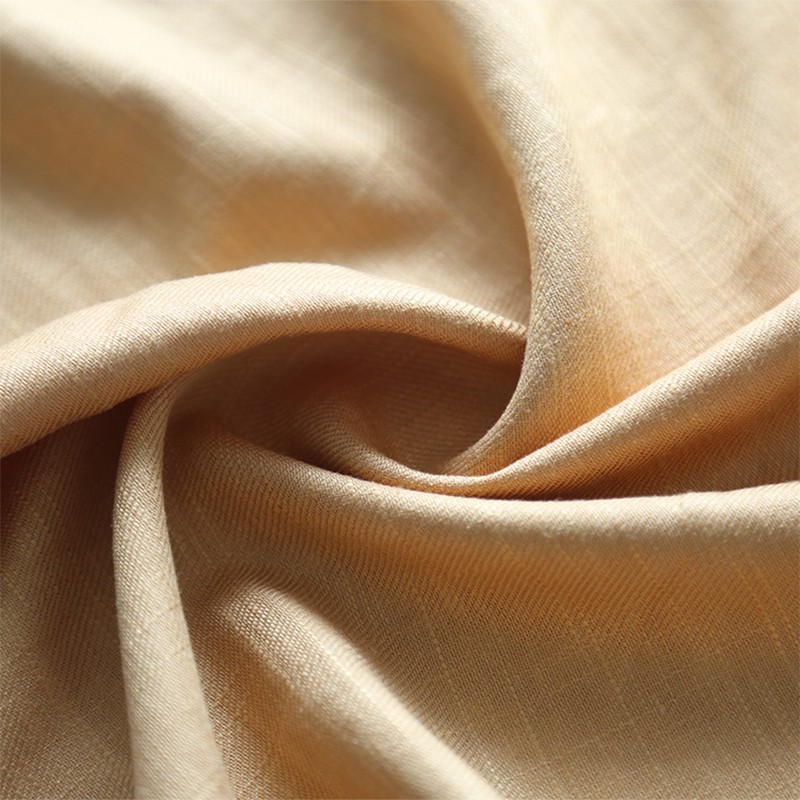
3. Versatility
Scarves made from linen viscose fabric are incredibly versatile. They can be worn in multiple ways, such as a neck scarf, a headband, or even as a shawl. The fabric's drape allows it to fall gracefully, adding an extra touch of elegance to any outfit. Whether you're dressing up for a formal event or going for a casual look, a linen viscose scarf can complement your style.
4. Durability
Linen is a strong fiber, and when blended with viscose, it enhances the overall durability of the fabric. A well - made linen viscose scarf can withstand regular wear and washing. It won't easily tear or fray, ensuring that you can enjoy your scarf for a long time. This durability also means that the scarf will maintain its shape and color over time.
5. Sustainability
In today's world, sustainability is a crucial factor in the fashion industry. Both linen and viscose have relatively low environmental impacts. Linen is made from a renewable resource, the flax plant, and requires less water and pesticides compared to other fibers. Viscose, when sourced from sustainably managed forests and produced using eco - friendly processes, can also be an environmentally friendly choice. By choosing a linen viscose scarf, you're making a more sustainable fashion decision.
Different Types of Linen Viscose Fabric for Scarves
We offer a variety of linen viscose fabrics that are perfect for scarves.
- Lenzing Linen Viscose Fabric: Lenzing is a well - known brand that produces high - quality viscose fibers. Our Lenzing linen viscose fabric combines the natural properties of linen with the superior quality of Lenzing viscose. It has a soft, luxurious feel and excellent drapability, making it an ideal choice for high - end scarves.
- Linen Viscose Printing Fabric: If you're looking for a scarf with a unique pattern or print, our linen viscose printing fabric is a great option. The fabric holds prints well, and the combination of linen and viscose ensures that the colors remain vibrant and the print doesn't fade easily.
Caring for Linen Viscose Scarves
Taking proper care of your linen viscose scarf will ensure its longevity. Here are some tips:
- Washing: It's best to hand - wash your scarf in cold water with a mild detergent. If you prefer using a washing machine, choose a gentle cycle. Avoid using harsh chemicals or bleach.
- Drying: Lay the scarf flat to dry to prevent stretching. Avoid wringing it out, as this can damage the fabric.
- Ironing: If necessary, iron the scarf on a low - heat setting while it's still slightly damp. This will help to remove any wrinkles and restore its smooth appearance.
Conclusion
In conclusion, linen viscose fabric is highly suitable for making scarves. Its combination of comfort, aesthetic appeal, versatility, durability, and sustainability makes it a top choice for scarf manufacturers and consumers alike. Whether you're a fashion designer looking for the perfect fabric for your next collection or an individual looking to add a stylish accessory to your wardrobe, our linen viscose fabrics are sure to meet your needs.
If you're interested in purchasing our linen viscose fabric for scarf production, I encourage you to contact us for a detailed discussion about your requirements. We're committed to providing high - quality fabrics and excellent customer service. Let's work together to create beautiful and sustainable scarves.
References
- "The Handbook of Natural Fibers" edited by R. M. Kozlowski
- "Textile Science and Technology" by David J. Vaughn