

High strength yarns are essential materials in various industries, from aerospace and automotive to protective gear and marine applications. As a high strength yarn supplier, I often receive inquiries about the standard thicknesses of these specialized yarns. In this blog post, I'll delve into the details of high strength yarn thicknesses, exploring the factors that influence them and the typical ranges you can expect for different types of high strength yarns.
Understanding Yarn Thickness Measurement
Before we discuss the standard thicknesses of high strength yarns, it's important to understand how yarn thickness is measured. The most common unit of measurement for yarn thickness is the denier or the tex.

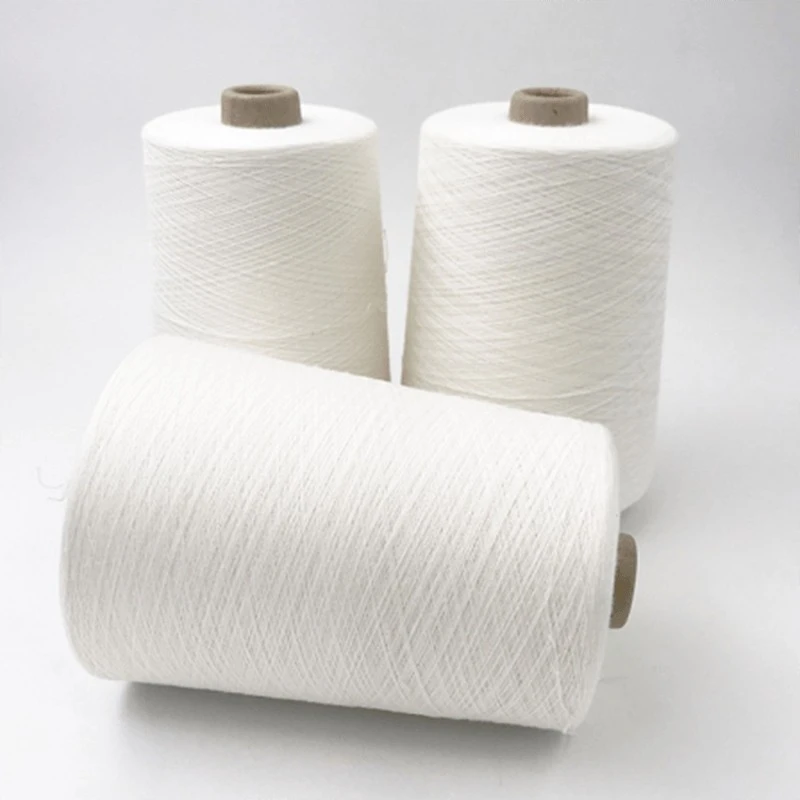
The denier system measures the weight in grams of 9,000 meters of yarn. A higher denier value indicates a thicker and heavier yarn. For example, a 1000-denier yarn is thicker than a 500-denier yarn. On the other hand, the tex system measures the weight in grams of 1,000 meters of yarn. Similar to the denier system, a higher tex value means a thicker yarn.
Factors Influencing High Strength Yarn Thickness
Several factors influence the thickness of high strength yarns. These include the intended application, the material used to make the yarn, and the manufacturing process.
- Intended Application: The application for which the high strength yarn is used plays a significant role in determining its thickness. For instance, in aerospace applications where lightweight materials are crucial, thinner high strength yarns may be preferred. In contrast, for heavy-duty industrial applications such as conveyor belts or ropes, thicker yarns are often required to withstand high loads.
- Material: Different materials have different inherent properties that affect the thickness of the yarn. For example, aramid fibers are known for their high strength and heat resistance. They can be spun into relatively thin yarns while still maintaining high strength. On the other hand, some synthetic fibers may require a greater thickness to achieve the same level of strength.
- Manufacturing Process: The manufacturing process also impacts the thickness of high strength yarns. Advanced spinning techniques can produce yarns with more consistent thicknesses and finer diameters. Additionally, processes such as twisting and plying can affect the overall thickness and strength of the yarn.
Standard Thicknesses of Different High Strength Yarns
Aramid High Strength Yarn
Aramid high strength yarns are widely used in applications that require high strength, heat resistance, and cut resistance. These yarns are made from aramid fibers, which are known for their excellent mechanical properties.
The standard thicknesses of aramid high strength yarns can vary depending on the specific type of aramid fiber used and the intended application. Generally, aramid yarns are available in denier values ranging from 200 to 3000. For example, in some protective clothing applications, a 400-denier aramid yarn may be used to provide a good balance between strength and flexibility. In more heavy-duty applications such as aerospace composites, thicker aramid yarns with denier values of 1500 or higher may be preferred. You can learn more about Aramid High Strength Yarn on our website.
Acrylic High Strength Yarn
Acrylic high strength yarns are known for their good chemical resistance, UV resistance, and colorfastness. These yarns are often used in outdoor applications such as awnings, sails, and outdoor furniture.
The standard thicknesses of acrylic high strength yarns typically range from 500 to 2000 denier. Thinner acrylic yarns, around 500-1000 denier, are commonly used in applications where a lighter weight and more flexible material is required. Thicker acrylic yarns, with denier values of 1500-2000, are suitable for heavy-duty outdoor applications that require high strength and durability. To explore our range of Acrylic High Strength Yarn, visit our website.
HPPE High Strength Yarn
HPPE (High-Performance Polyethylene) high strength yarns are extremely strong and lightweight. They have a high resistance to abrasion, chemicals, and moisture. These yarns are widely used in applications such as ropes, nets, and body armor.
The standard thicknesses of HPPE high strength yarns can vary from 300 to 5000 denier. In marine applications, for example, HPPE yarns with denier values of 1000-3000 are commonly used for ropes and mooring lines. In ballistic protection applications, thinner HPPE yarns with denier values of 300-800 may be used to create lightweight and flexible body armor. To find out more about HPPE High Strength Yarn, check out our website.
Custom Thicknesses
In addition to the standard thicknesses, we also offer custom thickness options for high strength yarns. We understand that different customers may have unique requirements for their applications. Our team of experts can work with you to develop high strength yarns with the specific thickness and properties you need. Whether you need a thinner yarn for a lightweight application or a thicker yarn for a heavy-duty project, we have the capabilities to meet your needs.
Why Choose Our High Strength Yarns
As a leading high strength yarn supplier, we are committed to providing our customers with the highest quality products. Our high strength yarns are manufactured using state-of-the-art equipment and strict quality control measures to ensure consistent performance and reliability. We offer a wide range of high strength yarns in different materials, thicknesses, and colors to meet the diverse needs of our customers.
In addition to our high-quality products, we also provide excellent customer service. Our team of sales and technical support staff is always available to answer your questions and help you find the right high strength yarn for your application. We can also provide samples for you to test and evaluate before making a purchase.
Contact Us for Procurement and洽谈
If you are interested in purchasing high strength yarns or have any questions about our products, please feel free to contact us. We would be happy to discuss your requirements and provide you with a quote. Our team is dedicated to helping you find the best high strength yarn solutions for your business.
References
- ASTM International. (2023). ASTM Standards on Yarn Testing.
- Textile Institute. (2023). Handbook of Textile Fibre Structure and Properties.
- Technical Fibre Products. (2023). High Performance Fibres: Properties and Applications.