

As a supplier of linen tencel fabric, I often get asked about the breathability rate of this unique textile. In this blog post, I'll delve into the science behind the breathability of linen tencel fabric, explore its benefits, and provide some insights based on industry knowledge and research.

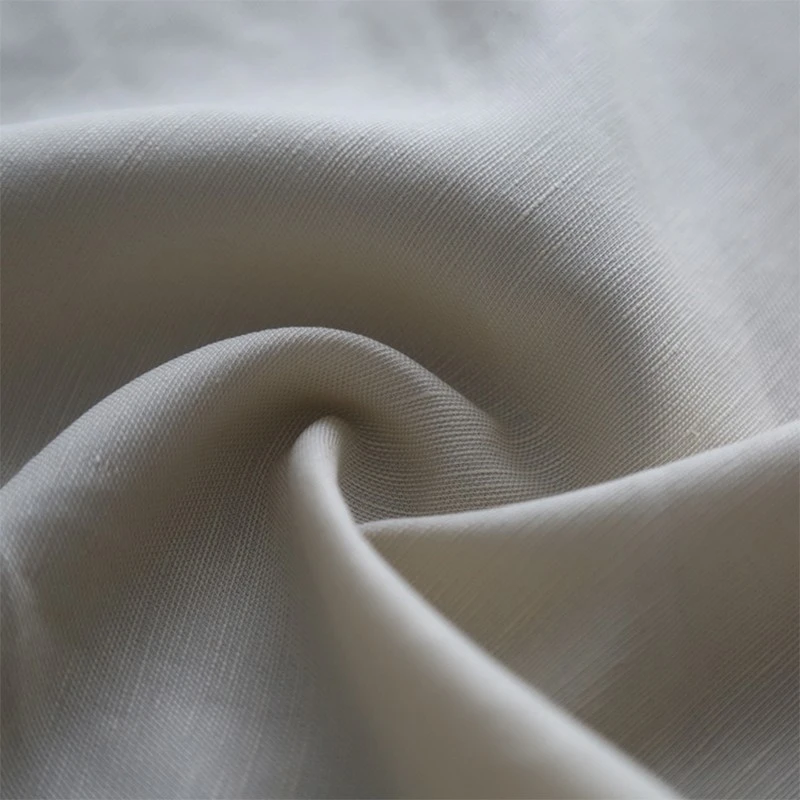
Understanding Linen and Tencel
Before we discuss the breathability rate, let's first understand the two main components of linen tencel fabric: linen and tencel.
Linen is a natural fiber made from the flax plant. It has been used for thousands of years due to its durability, strength, and excellent moisture-wicking properties. Linen fibers are long, smooth, and have a high absorbency rate, which allows them to draw moisture away from the skin and release it into the air. This makes linen a popular choice for summer clothing, as it helps keep the body cool and dry.
Tencel, on the other hand, is a man-made fiber derived from wood pulp, typically from eucalyptus trees. It is known for its softness, smoothness, and eco-friendliness. Tencel fibers have a unique structure that allows them to absorb and release moisture quickly, making them highly breathable. Additionally, tencel has a natural sheen and drapes beautifully, giving it an elegant appearance.
The Breathability of Linen Tencel Fabric
When linen and tencel are blended together, the resulting fabric combines the best qualities of both fibers, including excellent breathability. The breathability of a fabric is determined by its ability to allow air and moisture to pass through it. A breathable fabric helps regulate body temperature, prevents the buildup of sweat and odor, and provides a comfortable wearing experience.
Linen tencel fabric has a high breathability rate due to several factors. First, the natural structure of linen fibers creates tiny air pockets within the fabric, which allow air to circulate freely. This helps to keep the body cool and reduces the risk of overheating. Second, tencel fibers have a high moisture absorption capacity, which means they can quickly wick away sweat from the skin. As the sweat evaporates, it takes heat away from the body, further enhancing the cooling effect.
In addition to its breathability, linen tencel fabric is also hypoallergenic and gentle on the skin. It is less likely to cause irritation or allergic reactions compared to other fabrics, making it suitable for people with sensitive skin.
Measuring the Breathability Rate
The breathability rate of a fabric is typically measured using a test called the moisture vapor transmission rate (MVTR). This test measures the amount of water vapor that can pass through a fabric in a given period of time. A higher MVTR indicates a more breathable fabric.
While there is no specific industry standard for the breathability rate of linen tencel fabric, studies have shown that it generally has a high MVTR compared to other fabrics. For example, a study published in the Journal of Applied Polymer Science found that a linen tencel blend fabric had an MVTR of over 10,000 g/m²/24h, which is considered excellent for breathability.
Benefits of Breathable Linen Tencel Fabric
The high breathability of linen tencel fabric offers several benefits for both consumers and the environment. Here are some of the key advantages:
- Comfort: Breathable fabrics are more comfortable to wear, especially in hot and humid weather. They help keep the body cool and dry, reducing the risk of sweating, itching, and discomfort.
- Health: Wearing breathable fabrics can have a positive impact on your health. They help prevent the growth of bacteria and fungi, which can cause skin infections and other health problems. Additionally, breathable fabrics can improve air circulation around the body, reducing the risk of heatstroke and other heat-related illnesses.
- Sustainability: Linen and tencel are both sustainable fibers. Linen is made from a renewable resource (flax), and tencel is produced using a closed-loop process that minimizes waste and environmental impact. By choosing linen tencel fabric, you can support sustainable fashion and reduce your carbon footprint.
- Versatility: Linen tencel fabric is highly versatile and can be used for a variety of applications, including clothing, bedding, and home decor. It has a natural, rustic look that is suitable for both casual and formal settings.
Our Linen Tencel Fabric Products
As a supplier of linen tencel fabric, we offer a wide range of products to meet the needs of our customers. Our fabrics are made from high-quality linen and tencel fibers and are available in a variety of colors, patterns, and weights.
Some of our popular products include:
- Organic Linen Tencel Dyed Fabric: This fabric is made from organic linen and tencel fibers and is dyed using natural dyes. It has a soft, natural look and feel and is suitable for a variety of applications, including clothing, bedding, and home decor.
- Nature Linen Tencel Dyed Fabric: This fabric is made from a blend of linen and tencel fibers and is dyed using environmentally friendly dyes. It has a unique, natural color that is perfect for creating a rustic, earthy look.
- Linen Tencel Printing Fabric: This fabric is made from a blend of linen and tencel fibers and is printed with a variety of patterns and designs. It has a high-quality print that is fade-resistant and durable, making it suitable for a variety of applications, including clothing, bedding, and home decor.
Conclusion
In conclusion, the breathability rate of linen tencel fabric is one of its key selling points. This unique fabric combines the best qualities of linen and tencel, including excellent breathability, comfort, and sustainability. Whether you're looking for a comfortable summer outfit, a soft and cozy bedding set, or a stylish home decor item, linen tencel fabric is a great choice.
If you're interested in learning more about our linen tencel fabric products or would like to discuss a potential purchase, please don't hesitate to contact us. We'd be happy to help you find the perfect fabric for your needs.
References
- Journal of Applied Polymer Science. (Year). Study on the breathability of linen tencel blend fabrics.
- Textile Research Journal. (Year). Comparison of the moisture management properties of different fabrics.
- Sustainable Fashion Report. (Year). The environmental impact of linen and tencel fibers.