

In the ever - evolving landscape of industrial materials, PE Anti - cutting Yarn has emerged as a crucial player, offering remarkable protection and performance in various applications. As a supplier of PE Anti - cutting Yarn, I have witnessed firsthand its growing importance and potential in the market. In this blog, I will delve into the future development trends of PE Anti - cutting Yarn, exploring the factors driving its growth and the opportunities that lie ahead.
Current Market Landscape of PE Anti - cutting Yarn
PE Anti - cutting Yarn has found widespread use in industries such as gloves manufacturing, safety apparel, and industrial applications where protection against cuts and abrasions is essential. Its high strength - to - weight ratio, excellent cut resistance, and chemical resistance make it a preferred choice for many end - users. The market for PE Anti - cutting Yarn has been steadily growing in recent years, driven by increasing awareness of workplace safety and the need for high - performance protective materials.
The global demand for safety gloves, in particular, has been a major factor contributing to the growth of the PE Anti - cutting Yarn market. With strict safety regulations in place across various industries, employers are increasingly investing in high - quality protective gloves to ensure the well - being of their workers. PE Anti - cutting Yarn provides an effective solution for creating gloves that offer superior cut protection without sacrificing comfort or dexterity.
Technological Advancements Driving Future Growth
One of the key trends shaping the future of PE Anti - cutting Yarn is technological innovation. Researchers and manufacturers are constantly exploring new ways to improve the performance of PE Anti - cutting Yarn, making it even stronger, more flexible, and more resistant to environmental factors.
- Enhanced Cut Resistance: New manufacturing techniques are being developed to increase the cut resistance of PE Anti - cutting Yarn. By optimizing the molecular structure of the polyethylene fibers and using advanced spinning processes, manufacturers can produce yarns with higher tensile strength and better cut - resistant properties. This will enable the creation of even more protective products, suitable for use in high - risk environments such as metalworking, glass handling, and construction.
- Improved Comfort and Flexibility: While cut resistance is crucial, comfort and flexibility are also important factors, especially in applications where workers need to perform delicate tasks. Future PE Anti - cutting Yarns are likely to be designed with improved softness and flexibility, allowing for greater freedom of movement and reduced hand fatigue. This can be achieved through the use of finer fibers, innovative weaving patterns, and the incorporation of other materials to enhance comfort.
- Environmental Sustainability: As the world becomes more environmentally conscious, there is a growing demand for sustainable materials. PE Anti - cutting Yarn manufacturers are increasingly focusing on developing eco - friendly production processes and using recycled materials. For example, some companies are exploring the use of recycled polyethylene to produce PE Anti - cutting Yarn, reducing the environmental impact of the manufacturing process. Additionally, efforts are being made to develop biodegradable or recyclable PE Anti - cutting Yarns, which will further contribute to a more sustainable future.
Market Expansion and New Applications
The future of PE Anti - cutting Yarn also holds great potential for market expansion and the discovery of new applications. While the current market is primarily focused on safety gloves and industrial protective apparel, there are several emerging sectors where PE Anti - cutting Yarn could find significant use.
- Medical and Healthcare: In the medical field, there is a growing need for protective gloves that offer both cut resistance and high - level hygiene. PE Anti - cutting Yarn can be used to create gloves that protect healthcare workers from accidental cuts while handling sharp medical instruments. These gloves can also be designed to be antimicrobial, reducing the risk of cross - contamination.
- Automotive and Aerospace: The automotive and aerospace industries require materials that are lightweight, strong, and resistant to cuts and abrasions. PE Anti - cutting Yarn can be used in the manufacturing of seat belts, airbags, and other safety components, providing an additional layer of protection. Its high strength - to - weight ratio makes it an ideal choice for these applications, where weight reduction is also a key consideration.
- Sports and Outdoor Equipment: PE Anti - cutting Yarn can be incorporated into sports and outdoor equipment to enhance durability and protection. For example, it can be used in the construction of climbing ropes, cycling gloves, and hiking gear. The cut - resistant properties of the yarn will ensure that these products can withstand the rigors of outdoor activities, providing users with a longer - lasting and safer experience.
Competition and Market Dynamics
As the market for PE Anti - cutting Yarn continues to grow, competition among suppliers is also intensifying. In addition to PE Anti - cutting Yarn, other types of anti - cutting yarns, such as Aramid Anti - cutting Yarn and Acrylic Conductive Yarn, are also available in the market. Each type of yarn has its own unique properties and advantages, and customers often choose based on their specific requirements.
To stay competitive, PE Anti - cutting Yarn suppliers need to focus on product differentiation, quality control, and cost - effectiveness. By offering high - quality products at competitive prices and providing excellent customer service, suppliers can build strong relationships with their customers and gain a larger share of the market.
Challenges and Barriers to Growth
Despite the promising future of PE Anti - cutting Yarn, there are also several challenges and barriers that need to be addressed.
- Cost: The production of high - quality PE Anti - cutting Yarn can be expensive, especially when using advanced manufacturing techniques and raw materials. This can make the final products more costly, which may limit their adoption in some price - sensitive markets. Manufacturers need to find ways to reduce production costs without compromising on quality, through economies of scale, process optimization, and the use of more cost - effective raw materials.
- Regulatory Compliance: The safety and performance of PE Anti - cutting Yarn products are subject to strict regulations in many countries. Suppliers need to ensure that their products meet all relevant standards and certifications, which can be a complex and time - consuming process. Failure to comply with regulations can result in legal issues and damage to the company's reputation.
- Market Education: While the demand for protective materials is growing, there is still a need for greater market education about the benefits of PE Anti - cutting Yarn. Many end - users may not be aware of the latest advancements in PE Anti - cutting Yarn technology or may have misconceptions about its performance. Suppliers need to invest in marketing and educational campaigns to raise awareness and promote the use of PE Anti - cutting Yarn in various applications.
Conclusion and Call to Action
The future of PE Anti - cutting Yarn is bright, with significant potential for growth and innovation. Technological advancements, market expansion, and the increasing demand for high - quality protective materials are all driving the development of this industry. As a supplier of PE Anti - cutting Yarn, I am excited about the opportunities that lie ahead.

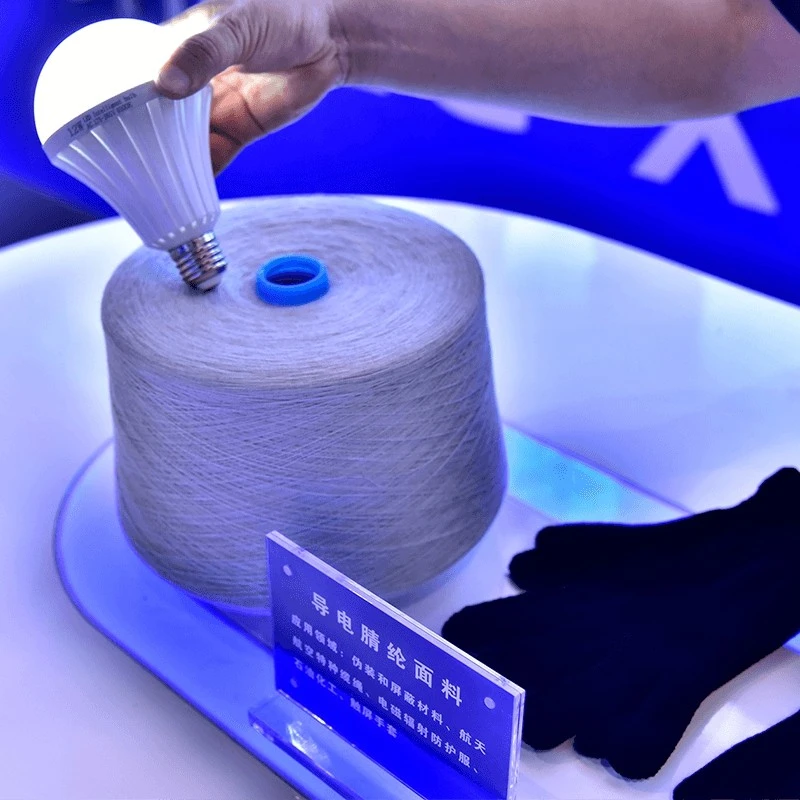
If you are interested in learning more about our PE Anti - cutting Yarn products or are looking for a reliable supplier for your protective product needs, please do not hesitate to contact us. We are committed to providing high - quality products, excellent customer service, and innovative solutions to meet your specific requirements. Let's work together to create a safer and more sustainable future.
References
- Industry reports on the global safety gloves market.
- Research papers on polyethylene fiber technology and anti - cutting materials.
- Interviews with experts in the field of industrial yarn manufacturing.