

Hey there! As a supplier of linen cotton fabric, I often get asked about what kind of sewing thread is suitable for this type of fabric. Well, you've come to the right place! In this blog, I'm gonna break down the different types of sewing threads and help you figure out which ones work best with linen cotton fabric.
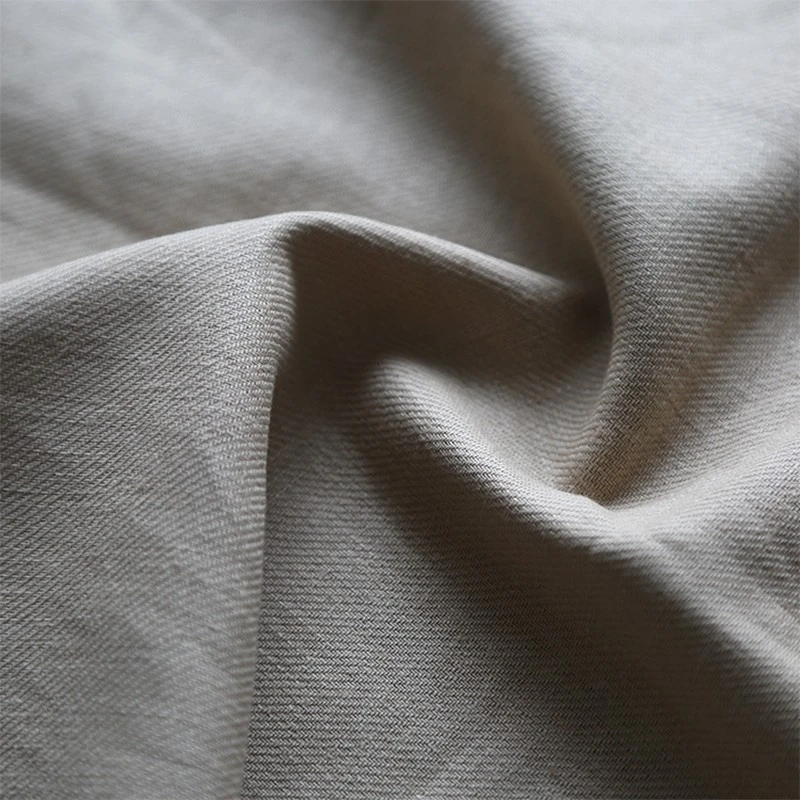
First off, let's talk a bit about linen cotton fabric itself. Linen cotton fabric is a blend of natural fibers that combines the best of both worlds. Linen is known for its breathability, strength, and natural texture, while cotton is soft, comfortable, and easy to work with. This combination results in a fabric that's durable, versatile, and perfect for a wide range of projects, from clothing and home decor to accessories.
Now, let's dive into the different types of sewing threads and see how they match up with linen cotton fabric.
Cotton Thread
Cotton thread is a classic choice for sewing linen cotton fabric. It's made from 100% cotton fibers, which means it has similar properties to the fabric itself. Cotton thread is strong, durable, and has a natural look and feel that complements the texture of linen cotton. It's also easy to sew with and comes in a wide range of colors, so you can find the perfect match for your project.
One of the benefits of using cotton thread is that it's breathable, just like linen cotton fabric. This makes it a great choice for clothing items that will be worn close to the skin, as it won't cause irritation or discomfort. Cotton thread also has good colorfastness, which means it won't fade or bleed when washed.

However, cotton thread can be a bit prone to fraying, especially if it's not properly cared for. To prevent fraying, make sure to use a sharp needle and sew at a moderate speed. You can also finish the ends of the thread with a knot or a bit of fabric glue to keep them from coming loose.
Polyester Thread
Polyester thread is another popular option for sewing linen cotton fabric. It's made from synthetic fibers, which gives it some unique properties. Polyester thread is very strong and resistant to stretching, which makes it a great choice for projects that require a lot of durability, such as upholstery or outdoor clothing.
One of the main advantages of using polyester thread is its strength. It can withstand a lot of wear and tear without breaking, which makes it ideal for sewing heavy-duty seams. Polyester thread also has good colorfastness and is resistant to mildew and UV rays, which means it won't fade or deteriorate over time.
Another benefit of polyester thread is that it's easy to sew with. It has a smooth surface that glides through the fabric easily, which makes it a great choice for beginners or for projects that require a lot of sewing. Polyester thread also comes in a wide range of colors, so you can find the perfect match for your project.
However, polyester thread doesn't have the same natural look and feel as cotton thread. It can sometimes look a bit shiny or synthetic, which may not be ideal for projects that require a more natural or rustic look. Polyester thread also tends to be less breathable than cotton thread, which may not be suitable for clothing items that will be worn in hot or humid weather.
Silk Thread
Silk thread is a luxurious and high-quality option for sewing linen cotton fabric. It's made from natural silk fibers, which gives it a soft, smooth, and shiny appearance. Silk thread is very strong and has a high tensile strength, which means it can withstand a lot of stress without breaking.
One of the main benefits of using silk thread is its beauty. It adds a touch of elegance and sophistication to any project, and it has a natural sheen that catches the light and makes the fabric look more luxurious. Silk thread is also very soft and comfortable to work with, which makes it a great choice for delicate or intricate projects.
However, silk thread can be a bit expensive, and it may not be suitable for all projects. It's also more delicate than cotton or polyester thread, which means it requires more care and attention when sewing. To prevent the thread from breaking or fraying, make sure to use a sharp needle and sew at a slow speed. You may also want to use a stabilizer or a backing fabric to support the thread and prevent it from stretching or distorting.
Linen Thread
Linen thread is a natural and sustainable choice for sewing linen cotton fabric. It's made from the fibers of the flax plant, which gives it a similar texture and appearance to linen cotton fabric. Linen thread is strong, durable, and has a natural look and feel that complements the rustic charm of linen cotton.
One of the benefits of using linen thread is its breathability. It's a natural fiber, which means it allows air to circulate through the fabric, making it a great choice for clothing items that will be worn in hot or humid weather. Linen thread also has good absorbency, which means it can wick away moisture and keep you dry and comfortable.
However, linen thread can be a bit rough and scratchy, especially if it's not properly treated. To make the thread softer and more comfortable to work with, you can soak it in warm water for a few minutes before sewing. You can also use a bit of fabric softener or conditioner to make the thread more pliable.
Choosing the Right Thread for Your Project
Now that you know about the different types of sewing threads, how do you choose the right one for your project? Here are some factors to consider:
- Fabric Weight: The weight of the linen cotton fabric will determine the thickness of the thread you should use. For lightweight fabrics, such as those used for summer clothing or lingerie, a fine thread, such as a size 50 or 60 cotton or silk thread, is a good choice. For heavier fabrics, such as those used for upholstery or outerwear, a thicker thread, such as a size 30 or 40 polyester or linen thread, may be more appropriate.
- Project Type: The type of project you're working on will also affect your thread choice. For example, if you're sewing a garment that will be washed frequently, such as a pair of jeans or a t-shirt, you'll want to choose a thread that has good colorfastness and durability. If you're working on a decorative project, such as a quilt or a wall hanging, you may want to choose a thread that has a unique look or texture, such as a metallic or variegated thread.
- Personal Preference: Ultimately, the choice of thread comes down to personal preference. Some people prefer the natural look and feel of cotton or linen thread, while others prefer the strength and durability of polyester thread. Experiment with different types of threads and see which ones you like best.
Where to Find the Right Thread
Once you've decided on the type of thread you want to use, where can you find it? Here are some options:
- Fabric Stores: Most fabric stores carry a variety of sewing threads, including cotton, polyester, silk, and linen. You can browse the selection in person and choose the thread that best matches your project.
- Online Retailers: There are many online retailers that specialize in sewing supplies, including threads. You can find a wider selection of colors and types of threads online than you would in a physical store, and you can often get better prices.
- Wholesale Suppliers: If you're a professional seamstress or a business owner, you may want to consider buying your threads from a wholesale supplier. Wholesale suppliers offer bulk discounts on sewing supplies, which can save you money in the long run.
Conclusion
Choosing the right sewing thread for your linen cotton fabric project is an important decision that can affect the overall look and quality of your finished product. By considering the fabric weight, project type, and personal preference, you can choose the thread that best suits your needs. Whether you choose cotton, polyester, silk, or linen thread, make sure to use a high-quality product and follow the manufacturer's instructions for sewing and care.
If you're interested in purchasing high-quality linen cotton fabric for your next project, check out our selection of Organic Linen Cotton Fabric, Eco-friendly Linen Cotton Dyed Fabric, and Cotton Linen Twill Fabric. We offer a wide range of colors, patterns, and weights to choose from, so you're sure to find the perfect fabric for your project.
If you have any questions or need help choosing the right fabric or thread for your project, don't hesitate to contact us. We're here to help you bring your creative ideas to life!
References
- “Sewing Thread Guide.” AllAboutSewing.com.
- “Choosing the Right Thread for Your Project.” Threads Magazine.
- “Types of Sewing Threads and Their Uses.” Sewing.org.