


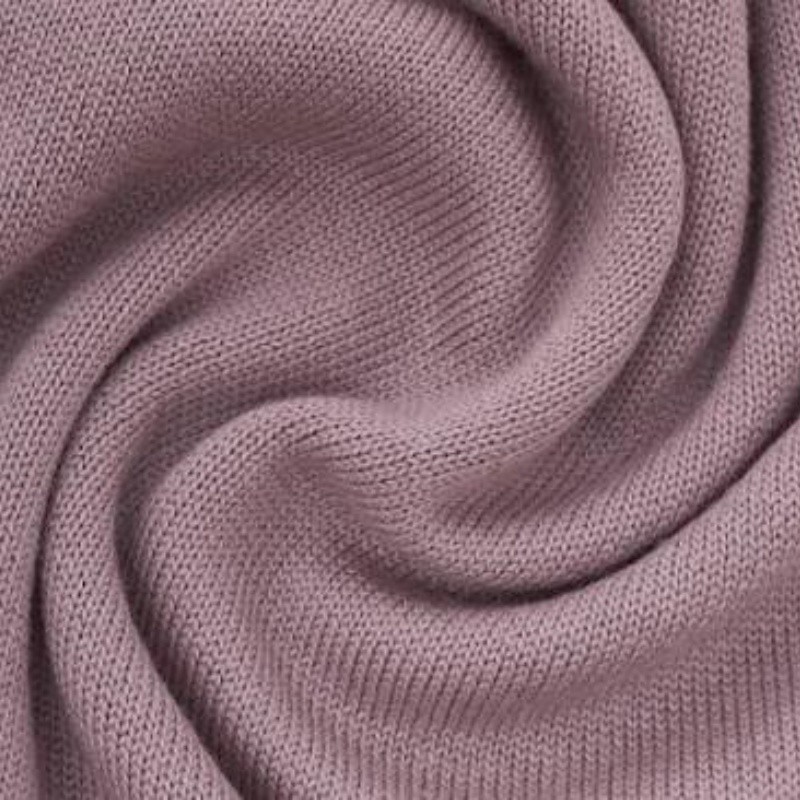
Shangdong Shengrun Textile Co., Ltd. is one of the most reliable manufacturers and suppliers of modacrylic polyimide flame retardant fabric in China. With abundant experience, we warmly welcome you to wholesale customized modacrylic polyimide flame retardant fabric made in China here from our factory. If you have any enquiry about quotation, please feel free to email us.
Products Parameter
| Parameter | Details |
| Type | Modacrylic Polyimide Flame Retardant Fabric |
| Fiber Composition | 75% Modacrylic / 15% Lyocell / 10% Polyimide |
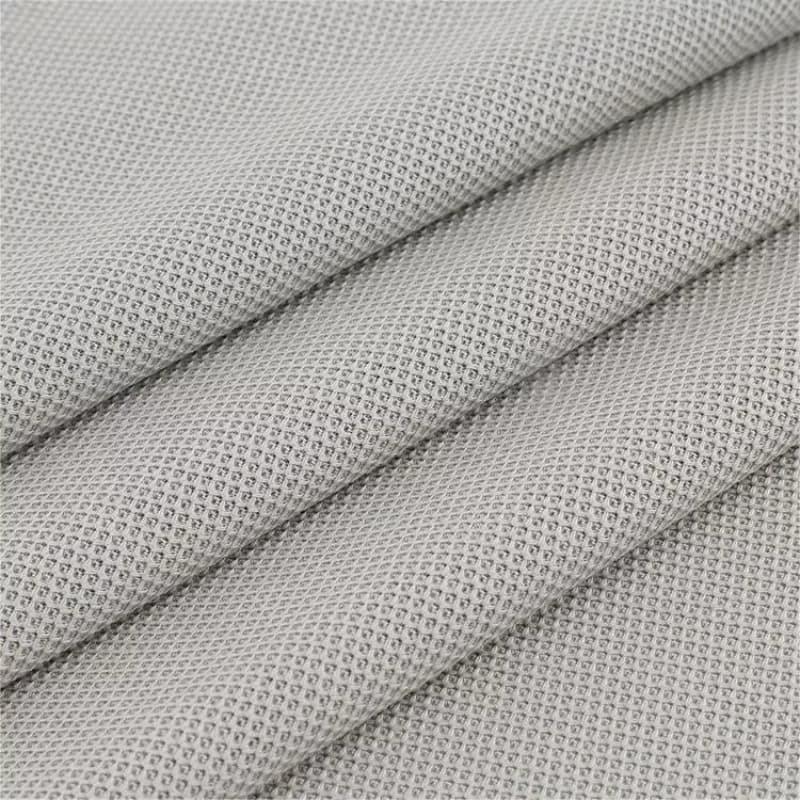
| Fabric Structure | Mesh knit (breathable open structure) |
| Width | Customizable |
| Weight | Customizable |
| Minimum Order Quantity | Customizable |
| Packaging | Rolled on tubes |
| Lead Time | 30–35 days |
| Color Options | Customizable (including high-visibility yellow) |
| Certifications | NFPA 70E, NFPA 2112, EN ISO 11612 |
Key Features
-
Polyimide - High-Temperature Resilience
Polyimide offers superior thermal stability compared to many other FR fibers; it boasts a high thermal decomposition temperature and maintains its structural integrity even under extreme heat. Within the fabric, it acts as a "thermal protection framework," providing an extra layer of defense-particularly during sudden high-heat events like arc flashes or flashovers.
-

Modified Acrylic - Inherently Flame Resistant (Wash-Durable)
The flame resistance of modified acrylic is intrinsic to the fiber itself, not the result of a topical coating or finish. Upon contact with a flame, it forms a carbonized char layer and self-extinguishes once the heat source is removed; it neither melts nor drips. This property is permanent and remains effective regardless of how many times the fabric is washed.
-
Lyocell – Moisture-Wicking and Breathable
Lyocell is a regenerated cellulose fiber derived from wood pulp, offering even better moisture absorption than cotton. Its inclusion prevents the fabric from trapping sweat and heat like pure synthetics do, ensuring a drier, more comfortable feel during prolonged wear. The combination of modified acrylic and Lyocell is already successfully used in existing FR fabric products to enhance wearer comfort.
-

Mesh Structure – Breathability and Heat Dissipation
The mesh knit structure creates built-in channels for airflow, allowing heat and moisture to dissipate more rapidly. This breathability offers a practical advantage for scenarios involving strenuous physical labor or work in high-temperature environments.
Why Modacrylic + Polyimide + Lyocell?
The problem addressed by this combination is clear: the need for high-level protection alongside the requirement for prolonged wear.
While pure aramid fabrics offer excellent protective performance, they are costly and tend to feel stiff and rough against the skin. Modacrylic offers a lower cost and adequate flame retardancy, though its high-temperature limit falls short of polyimide when used alone. Polyimide compensates for this weakness, elevating the fabric's overall heat resistance. Lyocell addresses the "willingness to wear" factor; comfort ensures workers actually wear the gear, making the protection meaningful.
Furthermore, all three components are inherently flame-resistant. Modacrylic and polyimide are inherently flame-resistant themselves; although Lyocell is naturally flammable, it constitutes a small proportion of the blend, allowing the fabric to maintain overall flame-retardant properties. This combination has already been proven in established market products.
Customization Options
We can adjust the following based on your requirements:
| Option | Description |
| Fabric Weight | Adjustable thickness to suit different protection levels and working conditions |
| Color | Available in standard colors, custom matching, and high-visibility yellow |
| Blend Ratio | Modacrylic/polyimide/lyocell ratio can be adjusted to fine-tune protection vs. comfort |
| Finishing | Optional treatments including water repellency, anti-static, and abrasion resistance |
If you have specific end-use requirements, let us know what you need and we'll work out the spec accordingly.
Products Application
Modacrylic Polyimide Flame Retardant Fabric is suitable for the following scenarios:
Tactical Uniforms and Military/Police Gear
Scenarios requiring both flame-retardant protection and long-duration wear, such as arc-flash protective suits and tactical training uniforms.
Oil, Gas, and Chemical Industries
Work environments with high flash-fire risks, requiring fabrics that are both fire-resistant and breathable to ensure worker compliance.
Utilities and Power Maintenance
Arc-flash protection is a critical requirement; applications include scenarios covered by NFPA 70E standards, as well as roles such as ground crew and electrical maintenance.
Firefighting and Rescue Auxiliary Gear
Used as inner linings or secondary protective layers in firefighting suits, leveraging polyimide's high-temperature stability to enhance overall thermal protection.

Care Instructions
Washing
Machine wash gentle cycle at 40°C (104°F) or below.
Bleaching
Do not bleach. Avoid chlorine-based detergents.
Drying
Line dry only. Do not tumble dry.
Ironing
Low temperature (max 110°C / 230°F). Do not use steam.
Dry Cleaning
Mild dry cleaning acceptable
Special Note
All flame-retardant fibers in this fabric are inherently FR. The protection is permanent and will not diminish with washing or wear.
Certifications


Inventory and Production

FAQ
Q: What is the actual purpose of adding polyimide?
It primarily raises the fabric's maximum heat resistance. Modified acrylic begins to soften around 260°C, whereas polyimide has a much higher thermal decomposition temperature-patents indicate it can withstand up to 567°C. When exposed to the instantaneous high heat of an arc flash or flashover, polyimide holds its structure without collapsing, providing an extra layer of protection. If the blend contains more than 30% polyimide, there is a significant improvement in both thermal shrinkage and smoke generation.
Q: Lyocell isn't inherently flame-retardant; why include it?
For wearing comfort. Garments made purely of flame-retardant fibers can feel stuffy, stiff, and rough over time; Lyocell, however, offers superior moisture absorption and wicking compared to cotton. The 75% blend of modified acrylic and polyimide establishes the flame-retardant framework, while 15% Lyocell improves the feel against the skin without compromising flame-retardant performance. The logic is the same as using Lyocell to replace some cotton in Tecasafe fabrics-people are only willing to wear the garment if it is comfortable.
Q: How does this differ from standard modified acrylic/cotton flame-retardant blends?
The main difference is a higher heat resistance rating. While standard modified acrylic/cotton blends meet conventional workwear flame-retardancy requirements, extreme heat-such as that from an arc flash-causes cotton to char and modified acrylic to soften, compromising the fabric structure. Adding polyimide raises the heat resistance threshold significantly while maintaining elasticity and comfort.
Q: Is the mesh structure less durable?
Knitted mesh is indeed less durable than twill or plain weaves, but it offers vastly superior breathability. It depends on the application: choose twill if maximum strength is the priority, but if you want to balance protection with long-term wearing comfort, mesh is a sensible choice. We can adjust the fabric weight and yarn count to meet specific strength requirements.
Q: How long does the flame-retardant effect last?
Both modified acrylic and polyimide are inherently flame-retardant; this property is built into the molecular structure of the fibers rather than being applied as a coating. It cannot be washed or degraded by sunlight; as long as the fabric itself remains intact, the flame-retardant performance remains effective.


