

Among the hottest bio-based fabrics of 2026, Polylactic Acid (PLA) fiber has emerged as a "star fabric" in the realm of sustainable fashion, thanks to its exceptional eco-friendly attributes. It is hailed as the "gold standard" for environmental sustainability within the bio-based fabric sector. Many people are curious: what exactly *are* PLA fibers? And why have they become the new benchmark for eco-friendliness in 2026? Today, we will use plain language to clearly explain-once and for all-their core characteristics and applications.
Polylactic Acid (PLA) fiber-full name: polylactic acid fiber-is a bio-based fiber produced from renewable natural starch-based raw materials through a series of processes including biological fermentation, chemical polymerization, and spinning. Its core raw materials are derived from a wide range of sources-primarily crops and agricultural waste such as corn, cassava, and crop stalks. By eliminating the reliance on non-renewable resources like petroleum, it achieves "green production" right from the source.
As one of the most-watched eco-friendly fabrics of 2026, the core advantages of PLA fiber lie in two key dimensions: environmental sustainability and practicality. In terms of environmental impact, it is 100% biodegradable; under natural composting conditions, it can completely decompose into carbon dioxide and water within just six months. It causes no pollution to soil or water sources, thereby perfectly aligning with "Dual Carbon" goals and sustainable consumption trends. In terms of practicality, it combines skin-friendly properties with breathability and UV resistance. It possesses a soft, delicate touch that feels weightless against the skin; furthermore, it is easy to dye and resistant to pilling, offering performance that rivals traditional natural fabrics.
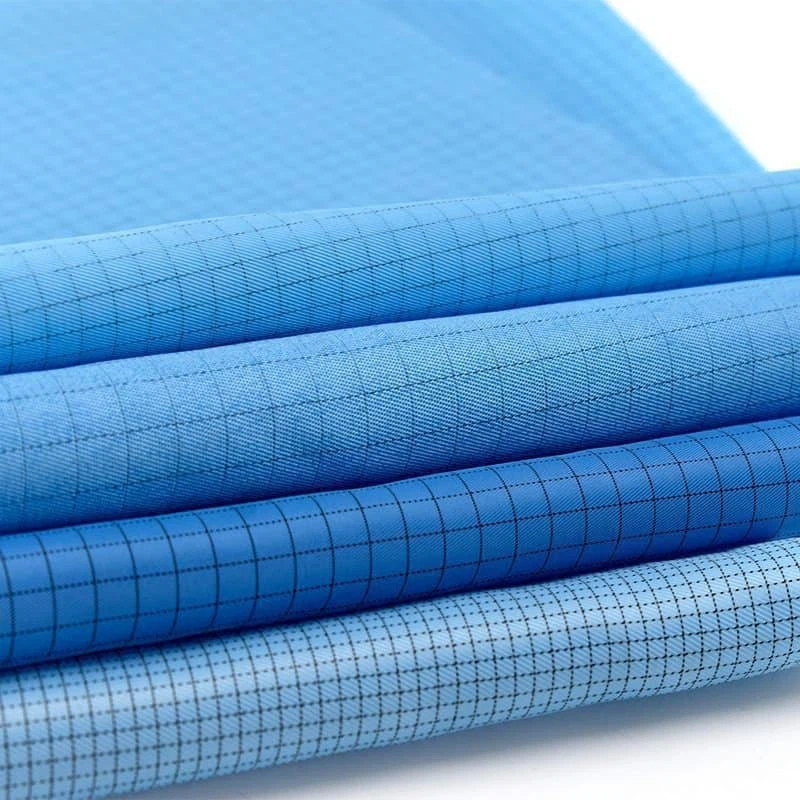
By 2026, PLA fiber has achieved large-scale commercial application, becoming a key featured material at China International Fashion Week. It is now widely utilized in women's wear, lingerie, home textiles, and disposable textile products. Whether in close-fitting undergarments, comfortable loungewear, or lightweight summer dresses, the presence of PLA fiber can be seen everywhere. It not only satisfies consumers' growing demand for eco-friendly products but also ensures a high level of wearing comfort, establishing itself as the preferred fabric choice that successfully balances both environmental responsibility and practical utility. Compared to other bio-based fabrics, the unique advantage of PLA fiber lies in its "eco-friendliness throughout its entire lifecycle"-from raw material cultivation and manufacturing to disposal and degradation, the entire process is low-carbon and pollution-free. Precisely for this reason, it has emerged as one of the bio-based fabric categories with the greatest growth potential for 2026, spearheading the trend of green fabric development.