

In the ever - evolving world of textiles, the choice of fabric can significantly impact the quality, comfort, and functionality of the end - product. Two popular options that often come under consideration are linen spandex fabric and pure spandex fabric. As a supplier of linen spandex fabric, I am well - versed in the unique characteristics of both materials and eager to share a detailed comparison.
Composition and Structure
Pure spandex, also known as elastane, is a synthetic fiber made from long - chain polymer compounds. It is highly elastic, capable of stretching up to 500% of its original length and then returning to its initial shape without much loss of elasticity. This remarkable elasticity is due to its chemical structure, which consists of segmented polyurethane chains. These chains can uncoil when stretched and recoil back when the stretching force is removed.

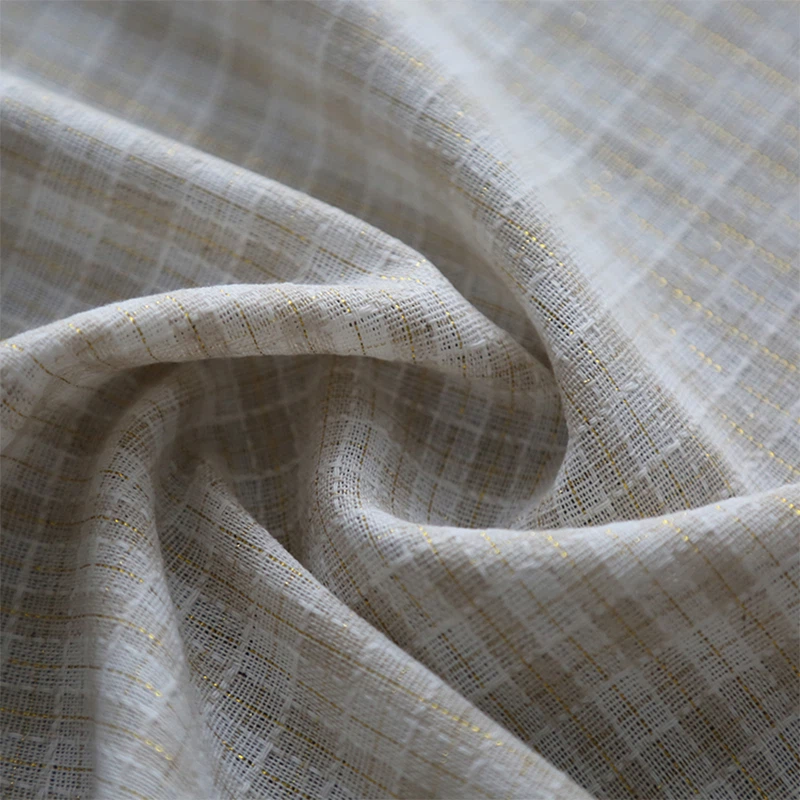
On the other hand, linen spandex fabric is a blend. Linen is a natural fiber derived from the flax plant. It has a long, smooth, and straight structure, which gives it strength and a characteristic crispness. When combined with spandex, usually in a proportion where spandex makes up a smaller percentage (commonly around 2% - 10%), the fabric inherits the best of both worlds. The linen provides the base structure and some of its natural properties, while the spandex adds stretch and recovery.
Comfort and Breathability
One of the most significant advantages of linen spandex fabric is its breathability. Linen has a porous structure that allows air to circulate freely through the fabric. This means that when you wear clothing made from linen spandex, your skin can breathe, reducing the likelihood of sweating and discomfort. In hot and humid climates, linen spandex is a popular choice for summer clothing such as shirts, dresses, and shorts.
Pure spandex, however, is not as breathable. Since it is a synthetic fiber, it tends to trap heat and moisture against the skin. While it is often used in athletic wear, it is usually combined with other more breathable fibers. When worn on its own, pure spandex can make the wearer feel sticky and overheated, especially during extended periods of activity.
Durability and Longevity
In terms of durability, linen spandex fabric benefits from the strength of linen. Linen fibers are among the strongest natural fibers, and they are resistant to abrasion. The addition of spandex does not significantly compromise this strength. In fact, the stretch provided by spandex can help the fabric adapt to movement without tearing or fraying easily. Linen spandex garments can withstand regular wear and washing, making them a long - lasting investment.
Pure spandex, while highly elastic, can degrade over time. Exposure to sunlight, heat, and certain chemicals can cause the spandex fibers to break down, reducing their elasticity. This means that pure spandex garments may lose their shape and stretchability after a relatively short period of use and washing.
Aesthetic and Drape
Linen spandex fabric has a unique aesthetic appeal. Linen gives the fabric a natural, rustic look with a slight texture. The addition of spandex allows the fabric to drape more gracefully, following the body's curves without being too tight. It can be used to create both casual and more formal clothing styles, from relaxed beachwear to elegant evening dresses.
Pure spandex, on the other hand, has a very smooth and shiny appearance. It is often used in form - fitting clothing where a sleek look is desired, such as swimsuits, dancewear, and compression garments. However, its shiny finish may not be suitable for all fashion styles.
Stretch and Recovery
Pure spandex is unbeatable when it comes to stretch. As mentioned earlier, it can stretch up to 500% of its original length. This makes it ideal for applications where a high degree of stretch is required, such as in sports equipment like cycling shorts or in medical compression stockings.
Linen spandex fabric has a more moderate stretch. The amount of stretch depends on the percentage of spandex in the blend. Generally, it can stretch enough to provide comfort and freedom of movement, but not to the extreme levels of pure spandex. However, the recovery of linen spandex is still good. After being stretched, it will return to a large extent to its original shape, which is important for maintaining the fit of the garment.
Applications
The applications of these two fabrics vary widely. Pure spandex is commonly used in athletic and performance wear, as well as in undergarments. Its high stretch and recovery properties make it suitable for clothing that needs to move with the body during physical activity. It is also used in the production of elastic bands and waistbands in various types of clothing.
Linen spandex fabric has a broader range of applications. It is popular in the fashion industry for everyday clothing, including shirts, blouses, pants, and skirts. It is also used in home textiles such as curtains and upholstery. For example, Golden Jacquard Linen Poly Fabric and Organic Linen Poly Fabric are examples of linen - blended fabrics that can offer a combination of style and functionality, similar to linen spandex. Additionally, Premium Recycled Poly - Linen - Wool Eco Blend Fabric showcases the versatility of linen in blends, which can inspire different uses for linen spandex as well.
Care and Maintenance
Caring for pure spandex requires some special attention. It should be washed in cold water to prevent heat - related damage to the fibers. Harsh detergents and bleach should be avoided, as they can break down the spandex. Also, it is best to air - dry pure spandex to prevent shrinkage and loss of elasticity.
Linen spandex fabric is relatively easier to care for. It can be machine - washed in warm or cold water, depending on the specific care instructions. Linen is a fairly resilient fiber, and the addition of spandex does not make it overly delicate. However, like all fabrics, it is advisable to follow the care label to ensure its longevity.
Cost
In general, pure spandex can be more expensive on a per - yard basis. The production process of spandex is complex and involves the use of specialized chemicals. Additionally, its high performance in terms of stretch and recovery adds to its cost.
Linen spandex fabric, especially when the percentage of spandex is relatively low, can be more cost - effective. Linen is a widely available natural fiber, and the blending process is not overly complicated. This makes linen spandex a great option for those looking for a balance between quality and cost.
Conclusion
In conclusion, both linen spandex fabric and pure spandex fabric have their own unique strengths and weaknesses. Pure spandex excels in applications where extreme stretch and a sleek look are required, such as in athletic and performance wear. However, it lacks in breathability and may require more careful care.
Linen spandex fabric, on the other hand, offers a combination of comfort, breathability, durability, and moderate stretch. It is suitable for a wide range of applications, from everyday fashion to home textiles. As a supplier of linen spandex fabric, I believe that it provides a great alternative for those who value natural fibers and a more versatile fabric option.
If you are interested in exploring the possibilities of using linen spandex fabric for your projects, whether it's for fashion design, home decor, or other applications, I invite you to contact me for more information and to discuss your specific requirements. We can work together to find the perfect linen spandex solution for your needs.
References
- Textile Institute. "Handbook of Textile Fibres: Volume 1: Natural Fibres." Woodhead Publishing, 2011.
- Horrocks, A. R., & Anand, S. C. "Fibre Science." Woodhead Publishing, 2000.
- Tortora, P. G., & Merkel, R. S. "Fairchild's Dictionary of Textiles." Fairchild Books, 2009.