

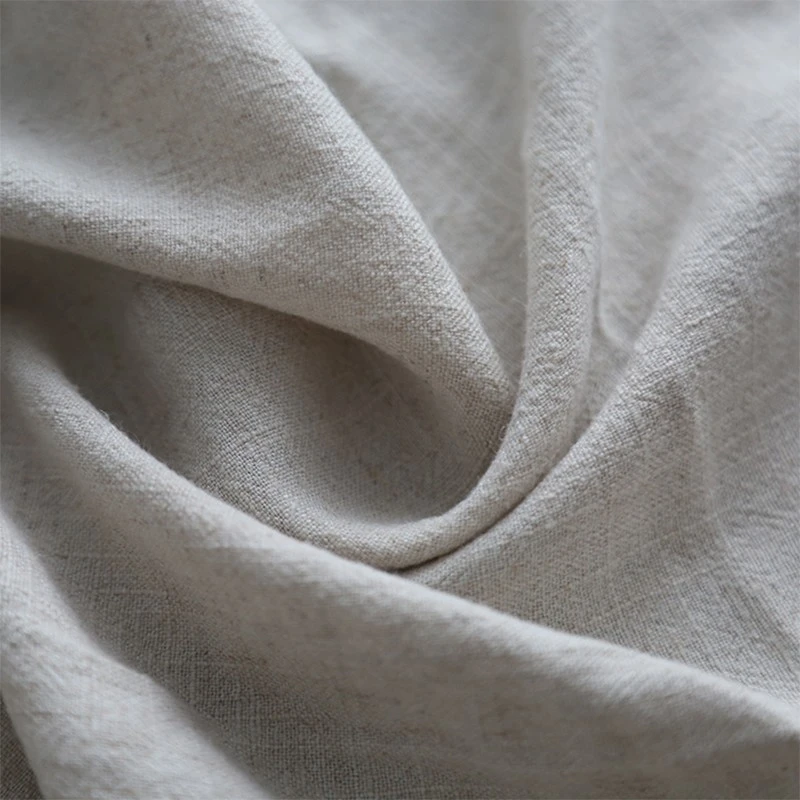
Linen cotton fabric is a popular choice in the textile industry, known for its breathability, durability, and natural aesthetic. As a supplier of high - quality linen cotton fabric, I understand the importance of adding embellishments to enhance its appeal. In this blog post, I'll share some effective ways to embellish linen cotton fabric, which can help you create unique and eye - catching products.
1. Printing
Printing is one of the most straightforward and versatile ways to add embellishments to linen cotton fabric. There are several printing methods available, each offering different effects and levels of complexity.
Screen Printing
Screen printing is a traditional and widely used method. It involves creating a stencil on a fine mesh screen and then forcing ink through the open areas of the stencil onto the fabric. This method allows for precise control over the design and can produce bold, vibrant colors. For large - scale production, screen printing is cost - effective. You can print various patterns, from simple geometric shapes to intricate floral designs. Our Linen Cotton Sand Washing Fabric is an excellent choice for screen printing as its slightly textured surface can hold the ink well, giving the print a rich and tactile quality.
Digital Printing
Digital printing has become increasingly popular in recent years. It uses digital files to print designs directly onto the fabric, eliminating the need for screens. This method offers high precision and can reproduce complex images with a large number of colors. Digital printing is ideal for small - batch production or custom - made designs. You can print photographs, detailed illustrations, or even personalized text on the linen cotton fabric. Our Cotton Linen Twill Fabric provides a smooth surface that is perfect for digital printing, ensuring sharp and clear images.
2. Embroidery
Embroidery adds a touch of elegance and luxury to linen cotton fabric. It involves stitching decorative designs onto the fabric using thread or yarn.
Hand Embroidery
Hand embroidery is a time - honored craft that allows for exquisite details and unique designs. Skilled artisans can create intricate patterns such as vines, flowers, or traditional motifs. Different stitch techniques, like satin stitch, stem stitch, and French knot, can be used to achieve various effects. Hand - embroidered linen cotton fabric is often used in high - end fashion items and home decor. The natural texture of our linen cotton fabric enhances the beauty of hand embroidery, making the stitches stand out more.
Machine Embroidery
Machine embroidery is more efficient for mass production. Modern embroidery machines can produce complex designs quickly and with high precision. You can choose from a wide range of pre - programmed designs or create your own. Machine embroidery is a great option for adding branding elements, such as logos, to our Cotton Linen Slub Fabric. The slub texture of this fabric gives a rustic and interesting backdrop to the embroidery.
3. Beading and Sequins
Beading and sequins can add sparkle and glamour to linen cotton fabric. They are commonly used in evening wear, party dresses, and decorative items.
Hand - Sewn Beads and Sequins
Hand - sewing beads and sequins onto the fabric allows for meticulous placement and creativity. You can create patterns, borders, or focal points using different shapes, sizes, and colors of beads and sequins. This is a time - consuming process but results in a truly unique and luxurious look. Our linen cotton fabric provides a stable base for hand - sewn embellishments, as the fibers can firmly hold the stitches.
Glue - on Beads and Sequins
For a quicker and more cost - effective option, glue - on beads and sequins can be used. Special fabric adhesives are available to attach the beads and sequins securely. This method is suitable for larger areas or less intricate designs. However, make sure to test the adhesive on a small piece of fabric first to ensure it doesn't cause any discoloration or damage.
4. Dyeing and Tie - Dye
Dyeing and tie - dye can transform the color and appearance of linen cotton fabric.
Solid - Color Dyeing
Solid - color dyeing is a simple way to change the fabric's color. You can use natural dyes, such as indigo or walnut husks, for an eco - friendly option, or synthetic dyes for a wider range of colors. Before dyeing, make sure to pre - treat the fabric to ensure even color absorption. Our linen cotton fabric is highly absorbent, making it easy to achieve rich and vibrant colors.
Tie - Dye
Tie - dye is a fun and artistic way to create unique patterns. It involves tying the fabric in various knots, twists, and folds before applying dye. This creates areas that are protected from the dye, resulting in a mottled or striped effect. Tie - dye is popular for casual wear and home decor items. You can experiment with different tying techniques and color combinations to create one - of - a - kind designs on our linen cotton fabric.
5. Appliqué
Appliqué is a technique where pieces of fabric are cut into shapes and sewn onto the base fabric.
Fabric Appliqué
You can use different types of fabric, such as silk, velvet, or another piece of linen cotton fabric, to create appliqué designs. Cut out shapes like flowers, animals, or geometric forms and stitch them onto the linen cotton fabric using a decorative stitch. This adds texture and dimension to the fabric. For example, you can create a floral appliqué on our Linen Cotton Sand Washing Fabric to give it a more romantic and rustic look.
Heat - Transfer Appliqué
Heat - transfer appliqué is a quicker method. It involves using heat - activated adhesive to attach pre - cut fabric shapes to the base fabric. This is suitable for those who want a more straightforward way to add embellishments. However, make sure to follow the manufacturer's instructions carefully to ensure a proper bond.
6. Foil Stamping
Foil stamping adds a metallic and luxurious touch to linen cotton fabric. It involves using heat and pressure to transfer a metallic foil onto the fabric.
Cold Foil Stamping
Cold foil stamping uses an adhesive to attach the foil to the fabric without the need for heat. This method is more suitable for delicate fabrics like linen cotton. You can create various designs, such as logos, patterns, or text, using cold foil stamping. The result is a shiny and eye - catching embellishment that can enhance the overall look of the fabric.
Hot Foil Stamping
Hot foil stamping uses heat to activate the adhesive on the foil. It generally provides a more durable and intense metallic finish. However, it requires more specialized equipment and careful temperature control to avoid damaging the fabric.

Contact for Purchase and Consultation
If you are interested in our linen cotton fabric or have any questions about adding embellishments, feel free to reach out. We are committed to providing high - quality fabrics and helpful advice to our customers. Whether you are a fashion designer, a home decor maker, or a DIY enthusiast, our fabric can meet your needs. Contact us to discuss your requirements and start creating beautiful products with our linen cotton fabric.
References
- "Textile Printing and Dyeing Technology" by XYZ Author. ABC Publishing, 20XX.
- "Embroidery Techniques for Beginners" by DEF Author. 123 Press, 20XX.
- Online resources on fabric embellishment from professional textile blogs and websites.