

As a supplier of PE Anti-cutting Yarn, I often encounter inquiries about the dielectric strength of this remarkable material. In this blog post, I'll delve into the concept of dielectric strength, explain its significance for PE Anti-cutting Yarn, and provide insights into how it impacts various applications.
Understanding Dielectric Strength
Dielectric strength is a crucial electrical property of insulating materials. It refers to the maximum electric field that a material can withstand without experiencing electrical breakdown. Electrical breakdown occurs when the electric field becomes so strong that it causes the material to conduct electricity, which can lead to short circuits, arcing, and other electrical failures.
The dielectric strength of a material is typically measured in volts per unit thickness (e.g., volts per millimeter or kilovolts per centimeter). A higher dielectric strength indicates that the material can withstand a stronger electric field before breaking down, making it a better insulator.
Dielectric Strength of PE Anti-cutting Yarn
PE, or polyethylene, is a well-known polymer with excellent electrical insulation properties. PE Anti-cutting Yarn, which is made from high-strength polyethylene fibers, inherits these insulation characteristics. The dielectric strength of PE Anti-cutting Yarn is relatively high, making it suitable for applications where electrical insulation is required.
The exact dielectric strength of PE Anti-cutting Yarn can vary depending on several factors, including the quality of the polyethylene used, the manufacturing process, and the yarn's physical properties such as density and thickness. Generally, the dielectric strength of high-quality PE Anti-cutting Yarn can range from several kilovolts per millimeter to tens of kilovolts per millimeter.
Factors Affecting Dielectric Strength
Several factors can influence the dielectric strength of PE Anti-cutting Yarn:
- Material Quality: The quality of the polyethylene resin used in the yarn production plays a significant role. High-purity polyethylene with fewer impurities and defects will generally have a higher dielectric strength.
- Manufacturing Process: The manufacturing process can affect the internal structure of the yarn, which in turn impacts its dielectric properties. Proper extrusion and spinning techniques can ensure a uniform and dense structure, enhancing the dielectric strength.
- Environmental Conditions: Temperature, humidity, and the presence of contaminants can all affect the dielectric strength of the yarn. High temperatures and humidity can reduce the insulation performance, while contaminants can create conductive paths within the material.
- Yarn Thickness and Density: Thicker and denser yarns tend to have higher dielectric strengths because they provide more material to resist the electric field.
Applications of PE Anti-cutting Yarn Based on Dielectric Strength
The high dielectric strength of PE Anti-cutting Yarn makes it suitable for a wide range of applications in the electrical and electronics industries:
- Electrical Insulation in Cables: PE Anti-cutting Yarn can be used as an insulating layer in electrical cables. Its high dielectric strength helps prevent electrical leakage and short circuits, ensuring the safe and reliable operation of the cables.
- Electrical Equipment Enclosures: In electrical equipment enclosures, PE Anti-cutting Yarn can be used as a lining material to provide electrical insulation and protection against mechanical damage.
- Electronics Manufacturing: In the manufacturing of electronic components, PE Anti-cutting Yarn can be used in insulation tapes, gaskets, and other parts to prevent electrical interference and ensure proper functioning of the devices.
Comparison with Other Yarns
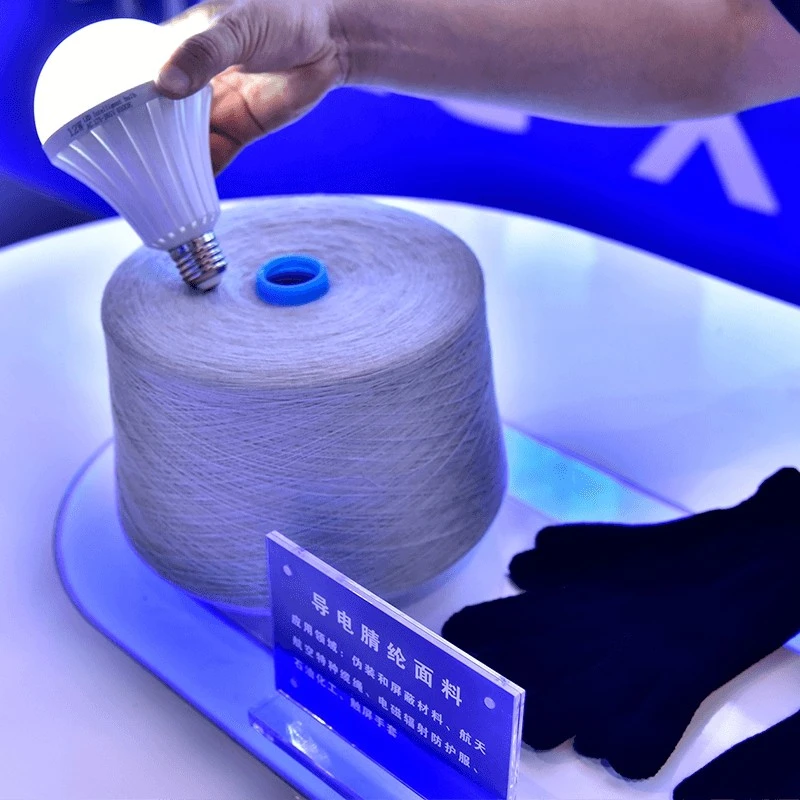
When compared to other types of anti-cutting yarns, such as Aramid Anti-cutting Yarn and Acrylic Conductive Yarn, PE Anti-cutting Yarn offers unique advantages in terms of dielectric strength.
Aramid Anti-cutting Yarn is known for its high strength and heat resistance, but its dielectric strength may not be as high as that of PE Anti-cutting Yarn. On the other hand, Acrylic Conductive Yarn is designed to conduct electricity, so it does not have the same level of electrical insulation as PE Anti-cutting Yarn.

Ensuring Optimal Dielectric Performance
To ensure the optimal dielectric performance of PE Anti-cutting Yarn, it is important to follow proper handling and storage procedures. The yarn should be stored in a dry and clean environment, away from sources of heat and moisture. During installation and use, care should be taken to avoid damage to the yarn, as any cuts or abrasions can reduce its dielectric strength.
Conclusion
The dielectric strength of PE Anti-cutting Yarn is an important property that makes it a valuable material for various electrical and electronics applications. Its high insulation performance, combined with its excellent cutting resistance, makes it a preferred choice for many industries.
If you are looking for a reliable supplier of PE Anti-cutting Yarn with high dielectric strength, PE Anti-cutting Yarn is here to meet your needs. Our high-quality yarns are manufactured using advanced technology and strict quality control measures to ensure consistent performance.
We invite you to contact us for more information about our PE Anti-cutting Yarn products and to discuss your specific requirements. Whether you are in the electrical, electronics, or any other industry, we are committed to providing you with the best solutions and excellent customer service. Let's work together to achieve your goals and create a better future.
References
- ASTM D149 - Standard Test Method for Dielectric Breakdown Voltage and Dielectric Strength of Solid Electrical Insulating Materials at Commercial Power Frequencies.
- Textile Research Journal, various issues on the properties of polyethylene fibers and yarns.