

Every second counts when a fire breaks out. For the average person, it takes about 30 seconds for a small flame to turn into a life-threatening blaze. What many don't realize, however, is that the clothing on their backs might be the difference between a narrow escape and a tragedy. Behind the scenes of the textile industry, a massive chemical operation is working to ensure that fabrics don't become fuel.
The process of making materials flame retardant isn't a one-size-fits-all solution. According to Dr. Helen Voss, a material scientist based in Manchester, the treatment depends almost entirely on the fabric's origin. "Natural fibers like cotton and wool behave very differently from synthetics," she explains. "Cotton burns quickly and fiercely, while synthetics like polyester melt and drip, which can cause horrific skin injuries."
For natural fibers, the industry relies heavily on what chemists call "condensation reactions." In plain language, this involves bonding a phosphorus-based compound directly to the cellulose structure of the cotton. When heat is applied, this compound alters the decomposition pathway of the fiber. Instead of releasing flammable gases that feed a fire, the fabric breaks down into a harmless char and releases water vapor. It's a complex chemical sacrifice; the fabric essentially destroys itself to protect the wearer.
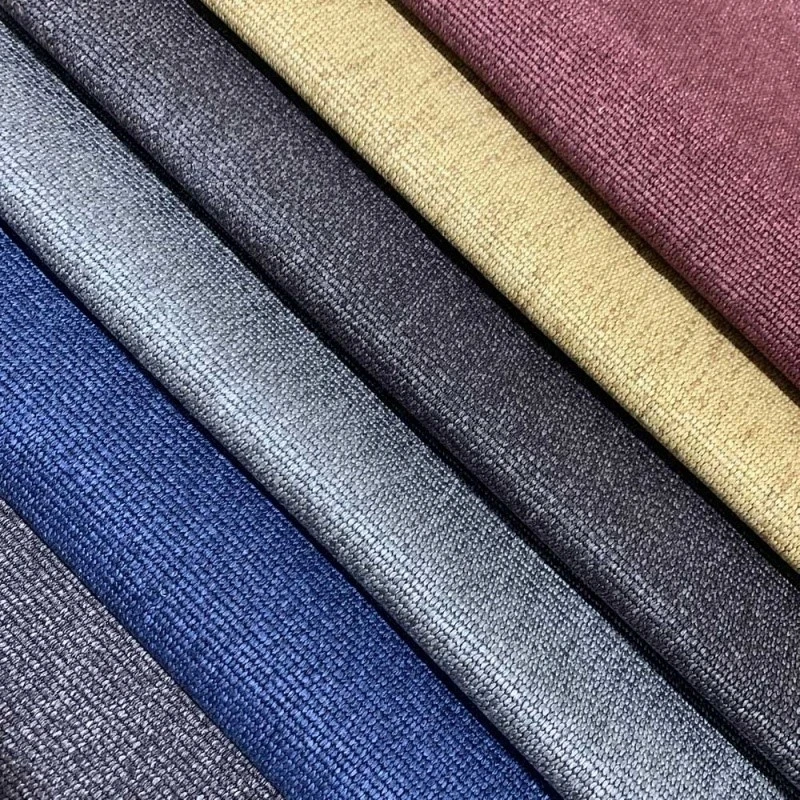
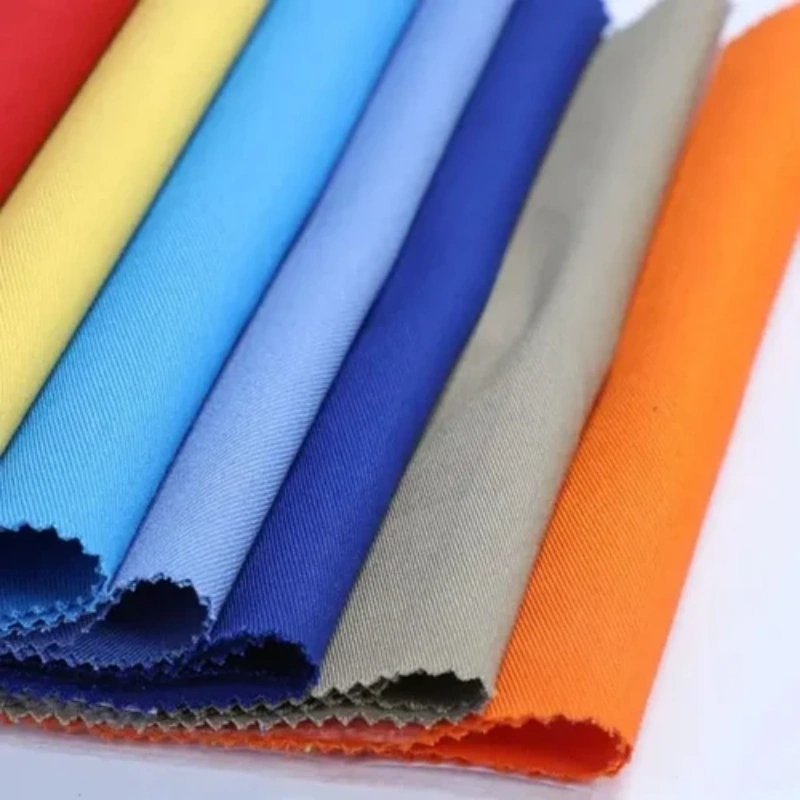
Synthetics require a different approach. Because nylon and polyester are already hydrocarbon-based, adding more flammable chemicals is counterproductive. Instead, manufacturers use halogenated compounds, typically bromine or chlorine. These work by interrupting the radical chain reaction that occurs during combustion. In simple terms, they release hydrogen halides that snatch up the reactive molecules needed to keep a flame going. However, this method has come under intense scrutiny. Environmental groups have long argued that these brominated compounds persist in the environment and accumulate in human tissue.
This criticism has pushed the textile sector toward a third option: surface treatments. These are less durable and often wash out after a few cycles in the machine, but they are considered "greener." The fabric is dipped into a bath of water-soluble salts. Once dried, the salts crystallize on the surface. When exposed to high heat, these salts release water molecules that cool the surface down. The downside? As Mark Williams, a buyer for a major hotel chain, points out, "We have to send our curtains out for re-treatment every three years. It's a logistical nightmare."
Despite the challenges, the regulatory pressure is mounting. In the US, the Consumer Product Safety Commission has tightened standards for children's sleepwear, effectively banning the use of certain organophosphates. Globally, manufacturers are scrambling to find a middle ground. The goal is clear: create a treatment that is non-toxic, cheap, and permanent. As Dr. Voss puts it, "We are trying to beat fire at its own game, but we have to do it without poisoning the planet." The search for the perfect formula continues, but for now, the industry is running on a patchwork of chemical fixes, each with its own set of pros and cons.