

When buying fabric, thread count and yarn count are two specifications worth understanding. Buyers often use these numbers to compare materials, but a higher number does not always mean better quality.
Knowing the difference helps buyers choose fabric based on its intended use, rather than relying on a single measurement.
1. What Does Thread Count Mean?
Thread count usually refers to the total number of warp and weft threads in one square inch of woven fabric. Warp threads run lengthwise, while weft threads run across the fabric.
Yarn count measures the fineness of the yarn. Under the English cotton count system, a higher yarn count generally means finer yarn.
These measurements describe different aspects of a fabric. Buyers should confirm which specification a supplier is providing before comparing products.
2. Is a Higher Count Better?
Not always. Fabric quality depends on several factors, including fiber composition, yarn quality, fabric construction, and finishing.
Softness: Fine yarn can create a smooth surface, but fiber quality and finishing also affect the feel.
Strength: Strong fibers and suitable fabric construction are important for durability.
Breathability: A dense fabric may allow less air to pass through than a more open construction.
Appearance: Fine yarn can produce a neat surface, depending on the weaving method and finishing process.
Cost: Finer yarn may require more demanding production processes, which can increase the price.
The best choice depends on the required performance, not simply the highest count.
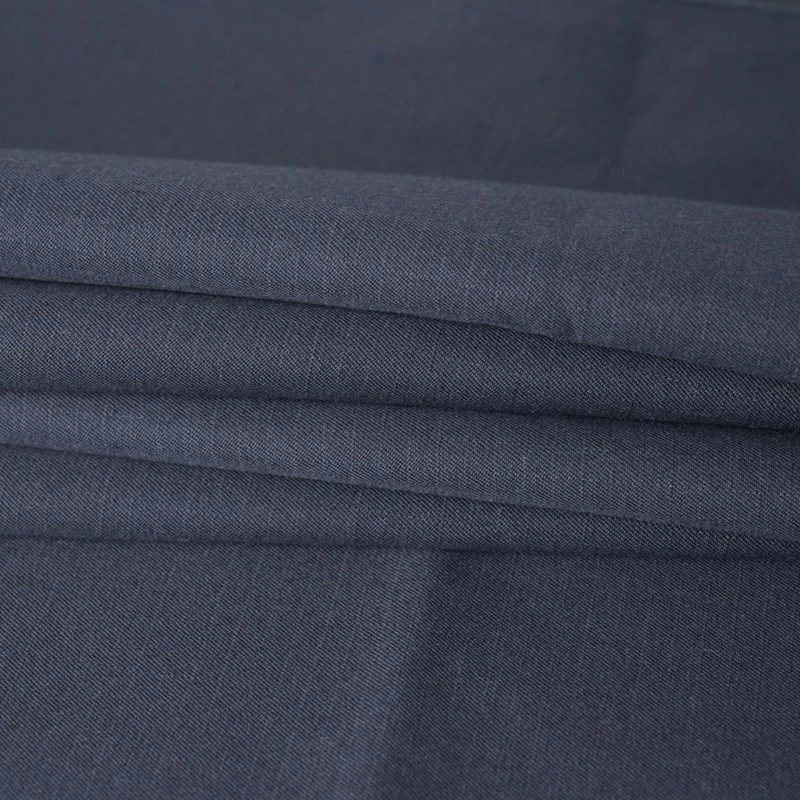
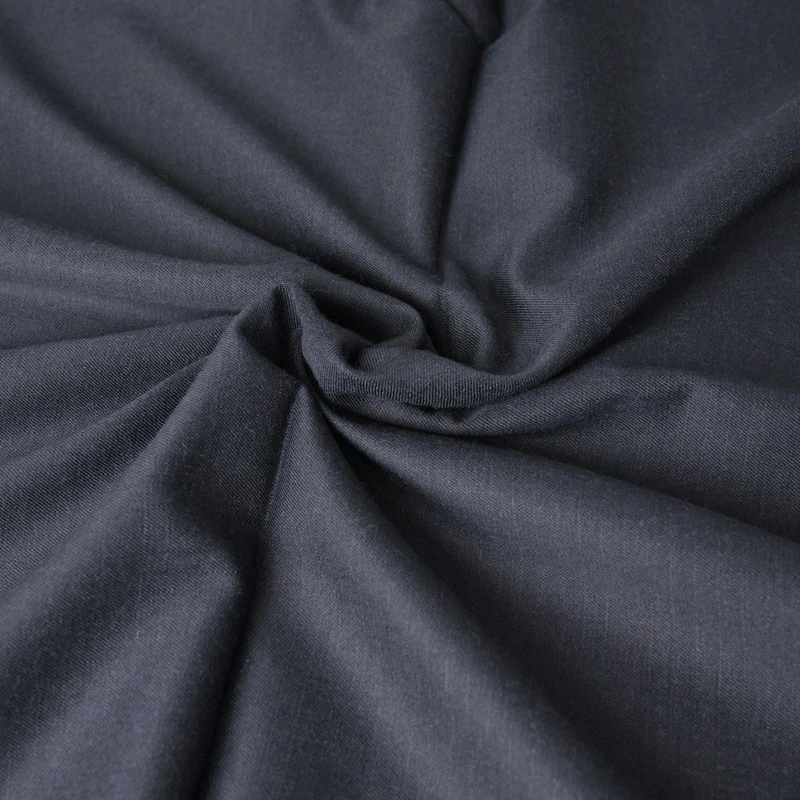
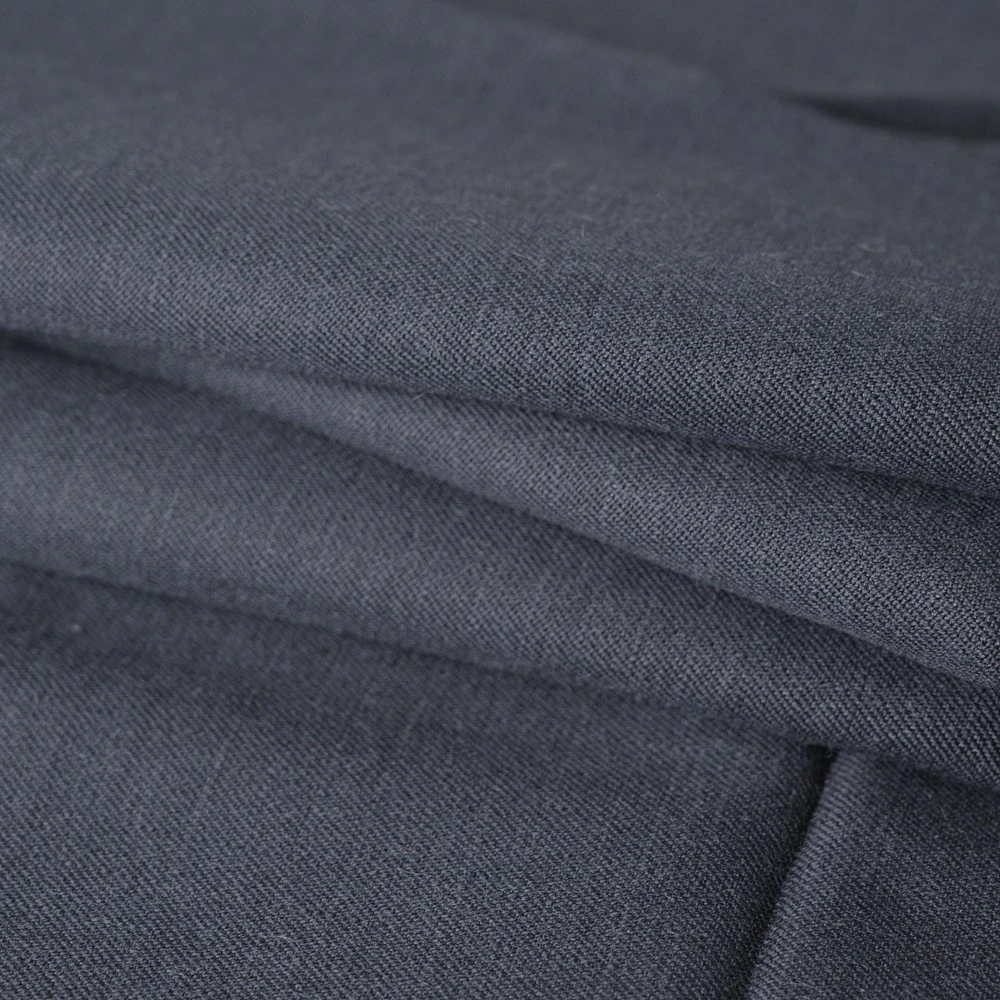
3. How to Choose Fabric for Different Uses
Different products require different fabric properties.
For bedding, buyers may prioritize softness, smoothness, and resistance to repeated washing.
For shirts and lightweight clothing, fabric weight, drape, and breathability are also important.
For workwear, durability, abrasion resistance, and dimensional stability may matter more than a fine yarn count.
Before placing an order, buyers should define the main requirements of the finished product and compare fabrics against those requirements.
4. What Should Buyers Check?
When comparing fabric specifications, pay attention to:
Fiber composition, such as cotton, polyester, or a blend.
Yarn count and the measurement system used.
Thread density and fabric construction, where applicable.
Fabric weight, usually measured in GSM.
Width, shrinkage, color consistency, and relevant performance requirements.
A fabric sample can help buyers assess appearance and feel. Testing may also be necessary when the material must meet specific performance standards.
Fabric thread count is useful, but it cannot determine quality on its own. Yarn count, fiber composition, construction, and intended use all affect the final result.
For buyers, the practical approach is to compare complete specifications and select fabric that meets the needs of the finished product.