


Shangdong Shengrun Textile Co., Ltd. is one of the most reliable manufacturers and suppliers of eco-friendly linen fabric in China. With abundant experience, we warmly welcome you to wholesale customized eco-friendly linen fabric made in China here from our factory. If you have any enquiry about quotation, please feel free to email us.
↵
Shangdong Shengrun Textile Co., Ltd.The spinning mill has 100,000 spindles, mainly acrylic blended functional yarn and industrial yarn. The annual output of yarn is 250 million tons. The weaving mill has 260 rapier looms and 108 airjet looms, mainly recycled environmentally friendly fabrics, and an annual output of about 35 million meters of various types of flax, flax blends, interwoven and pure cotton grey fabrics. The embroidery factory has 48 computerized fully automatic embroidery machines.

Why Choose Us
01
Factory Strength
The spinning mill has 100,000 spindles, mainly acrylic blended functional yarn and industrial yarn. The annual output of yarn is 250 million tons. The weaving mill has 260 rapier looms and 108 airjet looms, mainly recycled environmentally friendly fabrics, and an annual output of about 35 million meters of various types of flax, flax blends, interwoven and pure cotton grey fabrics.
02
Our Certificates
The company has three provincial R&D center,We have obtained GRS OCS AND GOTS BCI OEKO--100 AND ISO14001:2015 ISO45001:2018 ISO9001:2015 European Flax and other certificates.
03
Production Market
The fabrics produced by the company can meet one-quarter of the American standard. The products are sold well both at home and abroad and are exempt from inspection by major domestic printing and dyeing factories. They are exported to dozens of countries and regions including Japan, South Korea, Southeast Asia, the United States, Europe, and South America.
04
Our Service
Before cooperation, we can provide free samples to our customers and we also support customization. After the cooperation, we will ensure quality and quantity, and strictly control production according to customer requirements.
Related Product
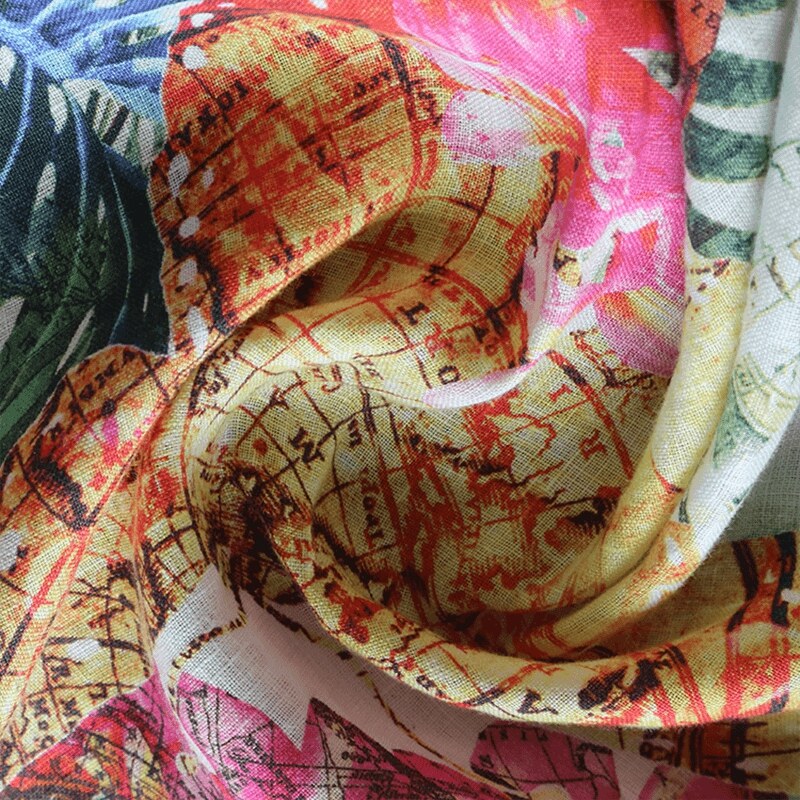
Pure linen printing fabric is made of 100% linen raw materials, adding a rich print pattern on the basis of the original linen fabric, showing a special artistic atmosphere. This fabric feels slightly rough but very soft, with a unique texture.
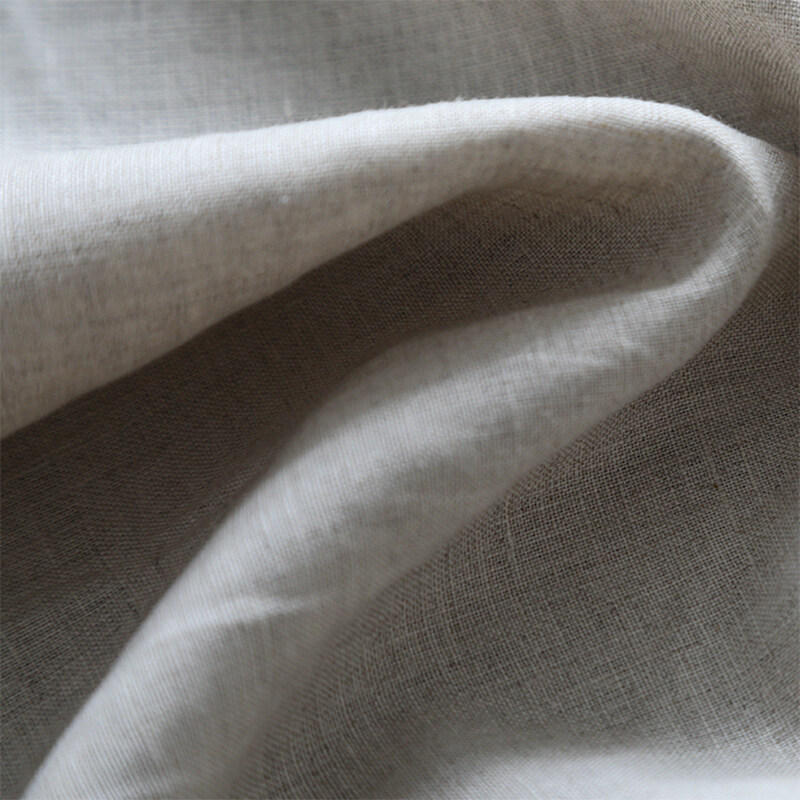
Pure Linen Dew Retting Fabric 150GSM
Pure Linen Rain Dew fabric is made from high quality linen originating from France and other Western European regions, and its unique production and processing methods give it many outstanding characteristics.
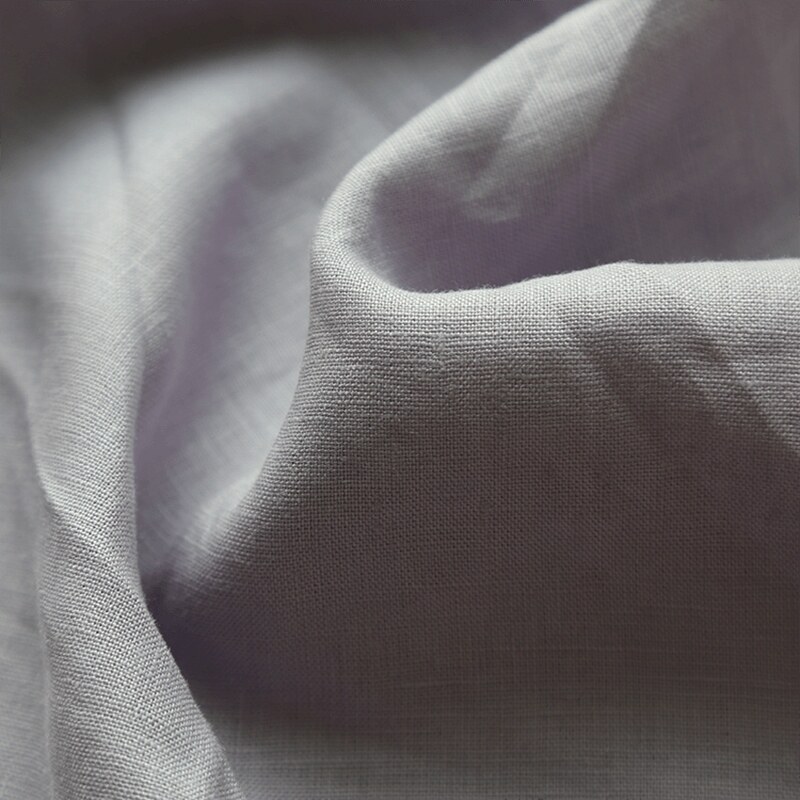
Pure natural linen fabric, originating from the gift of nature, is captivating with its unique texture and excellent quality. It is made of high-quality linen fiber refined, soft and smooth to the touch, the natural texture is clearly visible, every inch reveals the beauty of nature.

Linen fabric with slub, with a unique texture and natural style, compared with other fabrics more artistic. It is selected high-quality linen fibers, woven with exquisite craftsmanship, presenting a natural, simple beauty, this unique texture also makes the product more personalized and fashionable.

Pure linen air wash fabric, selected high-quality linen fibers, through a special process, giving the fabric a unique air wash texture, is the perfect combination of quality and nature. Its material is natural skin-friendly, after air washing process, the fabric is softer and fluffier, as if wrapped in clouds.

Pure Linen Sand Washing Fabric 120GSM
Pure linen sand washing fabric is made of 100% linen raw material with sand wash process, the fabric has a unique texture and charm. Pure linen material is natural and environmentally friendly, with good breathability and moisture absorption, so that you feel comfortable when wearing or using.

Pure Linen Twill Fabric 180GSM
Pure linen twill fabric, with its natural and simple qualities, interprets the pursuit of modern fashion and comfort coexist. Pure linen material, natural and environmentally friendly and comfortable, its twill texture is a major highlight. Delicate regular twill like flowing lines, adding a unique sense of dynamics and three-dimensional fabric.

Pure Linen Herringbone Fabric 155GSM
Pure linen herringbone fabric products, with their unique herringbone twill design, show the elegant texture of linen material, which is a perfect fusion of nature and fashion. Pure linen material is very comfortable to touch and of good quality.

Pure Linen Dobby Fabric 230GSM
Pure linen jacquard fabric is made of linen raw materials from France and woven through fine craftsmanship. It is favored for its unique texture and elegant jacquard pattern. This fabric usually has a natural beige or light brown tone, showing the natural beauty of linen.
What is Eco-friendly Linen Fabric
Linen environmentally friendly fabric, with the concept of sustainable development as the core, uses European natural linen fiber as raw material, and is carefully crafted through strict production processes. This fabric not only perfectly combines the Nordic environmental protection concept with the natural advantages of linen, has a super strong sense of comfort and fashion, but also performs extremely well in protecting the environment and sustainable development.The Nordic region has a pleasant climate and fertile soil, which provides unique conditions for the growth of linen. In the production process, we strictly follow environmental protection standards, use natural dyes, reduce the use of chemicals, reduce the environmental burden, and ensure that every inch of fabric is full of green and health.
Benefits of Eco-friendly Linen Fabric
Biodegradability
Eco-friendly Linen Fabric is biodegradable, which means it can decompose naturally without harming the environment, making it a sustainable choice.
Versatility
Eco-friendly Linen Fabric is a versatile fabric that can be used for various purposes, including clothing (shirts, pants, dresses), home textiles (bedding, curtains, tablecloths), and accessories.
Anti-static
Eco-friendly Linen Fabric has natural anti-static properties, which means it doesn't attract lint or dust as much as synthetic fabrics do. This also means that you do not need to add chemical anti-static agents to the fabric.
Natural Luster
Eco-friendly Linen Fabric has a subtle natural sheen, giving it an elegant and sophisticated appearance.
Temperature Regulation
Thanks to its breathability and moisture-wicking properties, Eco-friendly Linen Fabric helps regulate body temperature, keeping you cool in the summer and providing some insulation in cooler weather.
Easy to Care for
While it may wrinkle easily, Eco-friendly Linen Fabric is generally easy to care for and can be machine-washed, making it a practical choice for everyday use. Linen is also long-lasting with proper care.
Types of Eco-friendly Linen Fabric
Medium-weight Linen fabrics
Medium-weight Linen fabrics (190g/m²) This is our go-to fabric for most of our designs. Medium-weight linen works beautifully for pants, skirts, jackets, and dresses. It's dense enough to avoid transparency, except for very light colors like white or ivory, which may show a slight see-through effect. Ideal for warm climates, this linen keeps you cool, especially when worn loosely. It's also versatile enough for cooler days when layered. Most items in our catalog are made from this linen due to its perfect balance of breathability and coverage.
Lightweight Linen fabrics
Lightweight Linen fabrics (130g/m²) This thin, airy linen is perfect for summer tops, tunics, and dresses meant for extremely hot weather. It's slightly more transparent than medium-weight linen, particularly in lighter shades, making it ideal for layering or relaxed vacation wear. We recommend it for breezy tops, flowing dresses, and easy cover-ups.
Heavyweight Linen fabrics
Heavyweight Linen fabrics (220g/m²) We use heavyweight linen sparingly, mostly for structured belts or accessories. Its thickness adds extra durability where needed.
Gauze Linen fabrics
Gauze Linen fabrics (90g/m²) Soft, lightweight, and dreamy to the touch, linen gauze is ideal for scarves, shawls, and sun cover-ups. It's one of our favorite fabrics for summer, and we're excited to offer new colors this season!
Open Weave Linen fabrics
Open Weave Linen fabrics (190g/m²) With a more loose weave, this linen provides extra breathability, making it great for tops and cover-ups. The airy texture makes it ideal for warm, breezy days.
Application of Eco-friendly Linen Fabric
Apparel
Eco-friendly linen fabric is used in some of the most popular garments. This includes shirts, pants, nightgowns, skirts, vests, blazers, and so much more!
Homeware
Eco-friendly linen fabric is often used in homeware items, from kitchen towels to tablecloths, napkins and more! Have a quick look through your cupboard, and you will see how it is a common fabric used in homeware.
Bedding
This one is pretty unsurprising, but it needed to be said anyway. Some of the most comfortable bedding around is made from natural linen materials and can be used for sheets, duvets and pillowcases.
Industrial applications
Yes, this one might be a little odd, but it's true. The presence of eco-friendly linen fabric is undisputed. It is even used in industrial applications like canvases for paintings! And, you may not know this, but before metal, airplanes used to be covered with linen!
How to Choose Eco-friendly Linen Fabric
The weight of a fabric is one of the characteristics that will influence its drape. As a general rule, the lighter the fabric, the thinner and easier to drape it will be, and the heavier the fabric, the more resistant and opaque it will be. However, this is, as I said, a very general rule, and there are certainly exceptions. Drape will also be influenced by the weave of the fabric, as well as post-weaving processing, such as sanforization or washing, which reduces shrinkage of the finished fabric.
You may encounter weight mentioned as either light, medium or heavy, depending on the source. This classification is somewhat arbitrary, but here is a table listing the different categories as you may see them on various online fabric stores.
Once linen is woven, the product is not yet ready to be used in the garment or home textile industry. It undergoes a mechanical softening process (no chemicals or water is used!), rendering it softer and less prone to shrinking. Our Marcela linen has been sanforized, a mechanical process that increases the dimensional stability of the fabric. We do still recommend washing your fabric before you start your sewing project, unless you are familiar with calculating fabric shrinkage and applying that to your project.
No matter how well we try to do our product photography, the colours will not appear the same on every device, and will vary. Please don't hesitate to contact us if you want more information on any of our products !
Process of Eco-friendly Linen Fabric
Growing and Harvesting of the plant - The plant is grown in cool, damp climates around the world. Once it matures, it is harvested and the seeds are removed.
Retting - The stems are soaked in water for several days or weeks until the natural pectins and waxes holding the fibres together break down.
Drying - The flax is dried and the fibres are combed and separated from any remaining bits of plant material through scutching.
Spinning - At this stage, the flax fibres are spun together into yarn. These yarns are used for weaving linen fabric.
Weaving - The process involves interlacing the yarns in a crisscross pattern to create a strong and durable fabric. The loom used for weaving linen fabric is often a simple and traditional design using pedals and hand-operated mechanisms to create the desired pattern.
Bleaching - After the fabric is woven, it is often treated with a process called "bleaching," which involves exposing the fabric to sunlight, water and natural acids to give it a brighter, whiter appearance.
Washing and Softening - Finally, the linen fabric is washed and softened using a combination of water, heat and mechanical agitation to make it more comfortable and easier to work with.
Make sure all pieces are freshly laundered. This seems obvious, but any extra dirt can attract mould and mildew to your pieces.
Dry thoroughly before packing away. Even the slightest of damp can cause problems to your linen. Even dry with your hair dryer to make sure, then lay out for at least an hour to allow to breathe before storing.
Choose a storage area. This is simple-dry, cool, not too much light and enough room for the pieces to allow them to breathe.
Pillowcase to protect. An extra way to protect your items is to fold them in linen pillowcases. Maybe label each so you know which garments are inside.
Check at intervals. Make sure you check your items over the colder months for any damp or insects. Then in early spring, bring out to air, ready for wearing!
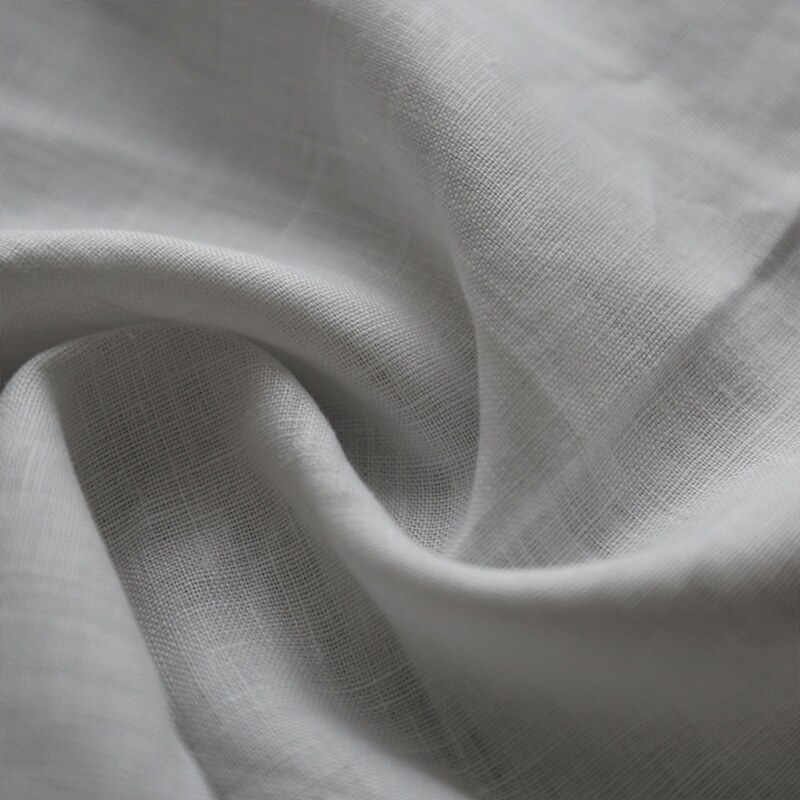
Our Factory


Our Certificates


