


Shangdong Shengrun Textile Co., Ltd. is one of the most reliable manufacturers and suppliers of pure linen dyed fabric in China. With abundant experience, we warmly welcome you to wholesale customized pure linen dyed fabric made in China here from our factory. If you have any enquiry about quotation, please feel free to email us.
Shangdong Shengrun Textile Co., Ltd.The spinning mill has 100,000 spindles, mainly acrylic blended functional yarn and industrial yarn. The annual output of yarn is 250 million tons. The weaving mill has 260 rapier looms and 108 airjet looms, mainly recycled environmentally friendly fabrics, and an annual output of about 35 million meters of various types of flax, flax blends, interwoven and pure cotton grey fabrics. The embroidery factory has 48 computerized fully automatic embroidery machines.

Why Choose Us
01
Factory Strength
The spinning mill has 100,000 spindles, mainly acrylic blended functional yarn and industrial yarn. The annual output of yarn is 250 million tons. The weaving mill has 260 rapier looms and 108 airjet looms, mainly recycled environmentally friendly fabrics, and an annual output of about 35 million meters of various types of flax, flax blends, interwoven and pure cotton grey fabrics.
02
Our Certificates
The company has three provincial R&D center,We have obtained GRS OCS AND GOTS BCI OEKO--100 AND ISO14001:2015 ISO45001:2018 ISO9001:2015 European Flax and other certificates.
03
Production Market
The fabrics produced by the company can meet one-quarter of the American standard. The products are sold well both at home and abroad and are exempt from inspection by major domestic printing and dyeing factories. They are exported to dozens of countries and regions including Japan, South Korea, Southeast Asia, the United States, Europe, and South America.
04
Our Service
Before cooperation, we can provide free samples to our customers and we also support customization. After the cooperation, we will ensure quality and quantity, and strictly control production according to customer requirements.
Related Product
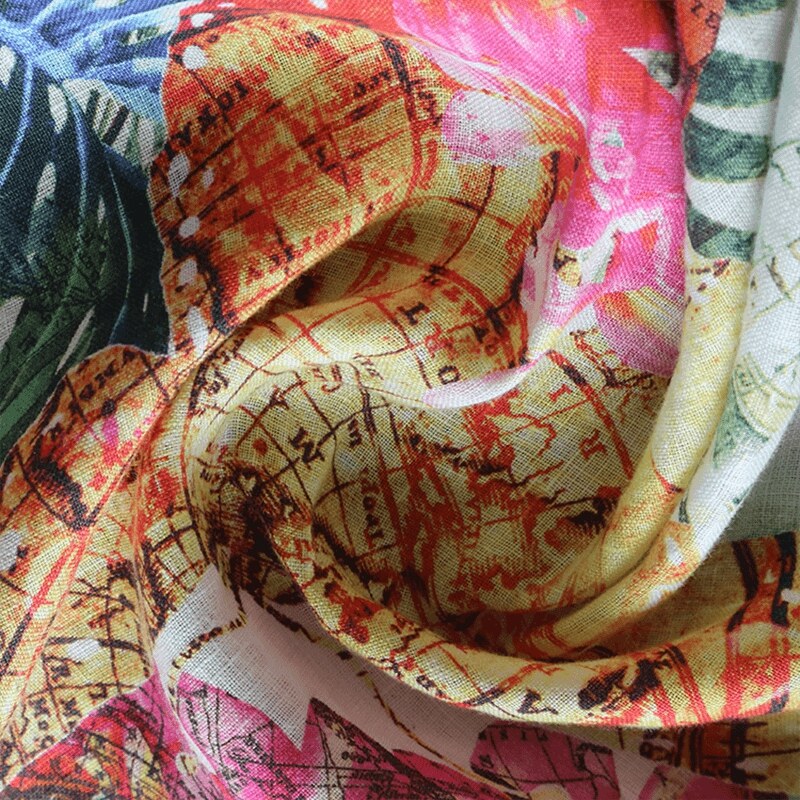
Pure linen printing fabric is made of 100% linen raw materials, adding a rich print pattern on the basis of the original linen fabric, showing a special artistic atmosphere. This fabric feels slightly rough but very soft, with a unique texture.
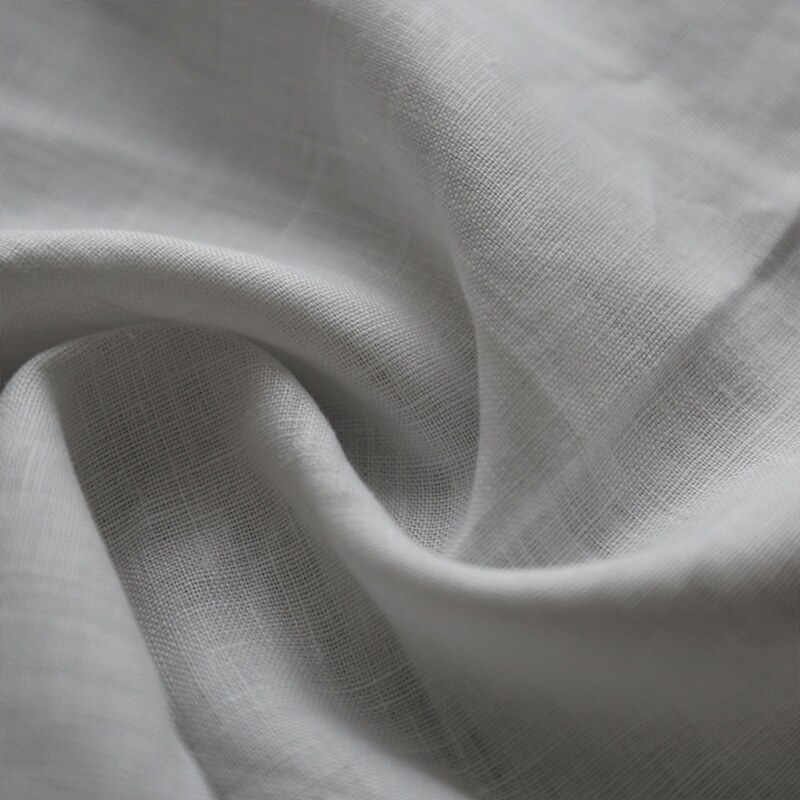
Linen environmentally friendly fabric, with the concept of sustainable development as the core, uses European natural linen fiber as raw material, and is carefully crafted through strict production processes.
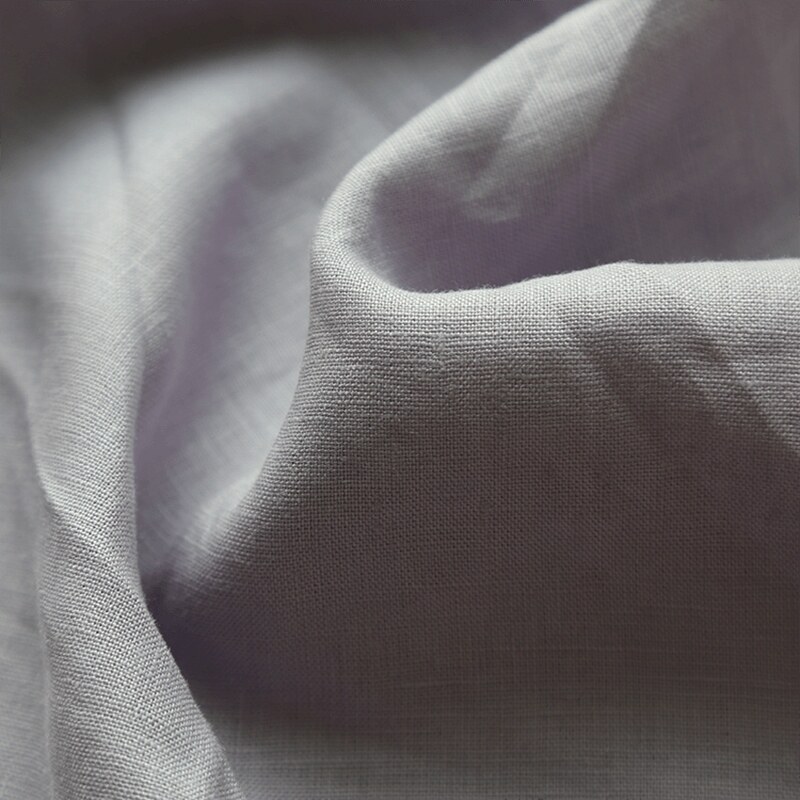
Pure natural linen fabric, originating from the gift of nature, is captivating with its unique texture and excellent quality. It is made of high-quality linen fiber refined, soft and smooth to the touch, the natural texture is clearly visible, every inch reveals the beauty of nature.

Linen fabric with slub, with a unique texture and natural style, compared with other fabrics more artistic. It is selected high-quality linen fibers, woven with exquisite craftsmanship, presenting a natural, simple beauty, this unique texture also makes the product more personalized and fashionable.

Pure linen air wash fabric, selected high-quality linen fibers, through a special process, giving the fabric a unique air wash texture, is the perfect combination of quality and nature. Its material is natural skin-friendly, after air washing process, the fabric is softer and fluffier, as if wrapped in clouds.

Pure Linen Sand Washing Fabric 120GSM
Pure linen sand washing fabric is made of 100% linen raw material with sand wash process, the fabric has a unique texture and charm. Pure linen material is natural and environmentally friendly, with good breathability and moisture absorption, so that you feel comfortable when wearing or using.

Pure Linen Twill Fabric 180GSM
Pure linen twill fabric, with its natural and simple qualities, interprets the pursuit of modern fashion and comfort coexist. Pure linen material, natural and environmentally friendly and comfortable, its twill texture is a major highlight. Delicate regular twill like flowing lines, adding a unique sense of dynamics and three-dimensional fabric.

Pure Linen Herringbone Fabric 155GSM
Pure linen herringbone fabric products, with their unique herringbone twill design, show the elegant texture of linen material, which is a perfect fusion of nature and fashion. Pure linen material is very comfortable to touch and of good quality.

Pure Linen Dobby Fabric 230GSM
Pure linen jacquard fabric is made of linen raw materials from France and woven through fine craftsmanship. It is favored for its unique texture and elegant jacquard pattern. This fabric usually has a natural beige or light brown tone, showing the natural beauty of linen.
What is Pure Linen Dyed Fabric
Pure linen dyed fabric, made of 100% linen raw materials, shows unparalleled texture and comfort with the unique charm of its natural fiber. As a high-quality textile raw material, linen is fascinating with its natural texture and color. After the exquisite dyeing process, the fabric presents a deep and layered color, which not only highlights the original flavor of linen, but also adds a touch of fashion.
Benefits of Pure Linen Dyed Fabric
Biodegradability
One of the most outstanding characteristics of pure linen dyed fabric is its biodegradability. As a natural fibre, pure linen dyed fabric breaks down quickly when discarded, leaving no harmful residues. This reduces the burden on landfills and minimises long-term environmental impact, making linen a responsible choice for conscious consumers.
Low environmental impact
Pure linen dyed fabric journey from plant to fabric involves fewer environmental detriments compared to synthetic counterparts like polyester. The processing of flax into pure linen dyed fabric requires fewer chemicals and less energy. This results in a significantly reduced carbon footprint, contributing to a greener planet.
Breathability and comfort
Pure linen dyed fabric is celebrated for its exceptional breathability and moisture-wicking properties. The fabric allows air to circulate freely, making it ideal for hot weather. Its natural thermoregulation properties help keep you cool and comfortable in warm climates. Pure linen dyed fabric's moisture-wicking ability draws perspiration away from your skin, promoting a fresh and dry feeling, especially during hot and humid conditions.
Durability
Pure linen dyed fabric boasts exceptional durability and becomes softer with each wash, thanks to its long, sturdy fibres. This longevity reduces the frequency of replacements, which, in turn, curtails overall textile consumption and waste. By choosing pure linen dyed fabric, you're investing in items designed to withstand the test of time.
Health benefits
For those with allergies or sensitive skin, pure linen dyed fabric is a godsend. It is naturally hypoallergenic, meaning it is unlikely to cause allergic reactions. Additionally, linen's inherent resistance to bacteria and fungi ensures a healthier living environment.
Versatility
Pure linen dyed fabric's versatility knows no bounds. It is suitable for a wide range of applications, from fashion to home textiles. Whether you're crafting elegant clothing, stylish table pure linen dyed fabrics, or cozy bedding, linen's timeless appeal ensures that your creations remain in use for many years.
Types of Pure Linen Dyed Fabric
Damask linen
Damask linen is the most delicate compared to other linen types. It is woven using both plain and satin linen weaves. Its flat and reversible fibers give the fabric a smooth texture and a reversible pattern.Usually, a Damask is available in one color and is used for linen clothes including napkins, tablecloths, and other home textiles. Damask is characterized by a very fine texture and large floral patterns.
Loosely-woven linen
Loosely woven linen is the highly absorbent fabric of all the other linen fabric types, making it excellent for use in napkins, diapers, and sanitary towels. It comes in different varieties including the Bird's Eye linen (reminiscent of the bird's eye) and huckaback linen fabric (sourced from a pure linen or a mix of cotton and linen). It's great for highly absorbent and lightweight bathroom linens.
Plain-woven linen
Also known as 'glass toweling,' plain-woven linen is more absorbent and the hardest among the linen types, making it perfect for use in wiping glassware and other dishes. This fabric is characterized by a checkered or striped pattern of red or blue, or a mix of both on a white background. There are different variations of plain woven linen including Holland linen and Cambric linen. The Holland linen is treated with oil and starch to make it opaque for use in window shades and lampshades. Cambric linen is the thinnest and finest linen fabric used for delicate garments such as lingerie and handkerchiefs.
Sheeting linen
Sheeting linen is designed to be heavy and wide for use in the manufacture of sheets. You can also use this fabric for dresses, suits, and other clothing if you want to enjoy the benefits of linen clothing.
Application of Pure Linen Dyed Fabric
Bed and Bath
Consider linen bedding and towels for your home. Linen's natural softness and moisture-wicking abilities make it an excellent choice for creating a comfortable and relaxing sleep environment. Linen towels are highly absorbent and quick-drying, making them both luxurious and an eco-friendly textile. We love Epic Linens' moss green bed set for a restful night's sleep.
Linen Home Decor
Enhance your living space with linen curtains, tablecloths, and throw pillows. Linen's timeless elegance can transform any room into a cosy and inviting retreat. Opt for natural or muted colours to create a calming ambiance. Our washed linen cushion covers comes in a range of Earth-inspired colours to elevate your interior space.
Sustainable Gifting
Give the gift of sustainability by selecting linen products for special occasions. Linen napkins, aprons, or handwoven linen bags make thoughtful and eco-conscious gifts for friends and family.
DIY Projects
Embrace your creative side by working with linen in your DIY projects. Sew your linen clothing, craft linen tote bags, or design custom linen cushion covers. Not only will you enjoy the process, but you'll also create unique, sustainable items. Check our our sustainable linen fabrics available by the metre for your next dressmaking or interior design project.
Pure Linen Dyed Fabric Overall Functionality

Durability and Strength
The flax fibers are inherently stiff and robust in nature, and they are formed in a rigid structure, making the fabric hard to stretch and increasing its durability significantly. Linen is the second most durable textile next to silk and makes it 30% stronger than cotton.
Absorbency and moisture-wick ability
One of the most prominent characteristics of linen is its water absorption and quick-drying properties. Linen fabric has a moisture-wick ability that keeps your sweat away from your body and absorbs the moisture quickly, providing you ultimate comfort during hot days. More importantly, because of its quick-drying ability, it can suppress unpleasant body order, and it does not let the fabric cling on to your body. That is why linen is the most comfortable and breathable fabric for the summer and the top choice for summer wear.


Thermoregulation and Heat Conductivity properties
Linen fabric naturally acts as a thermostat - automatically adjusting the temperature during hot and cold days. Linen draws the heat away from your body, providing you an incredible and airy feeling providing extraordinary breathability and comfort during the summer. In addition to that, it has impressive heat retention capability trapping the heat inside to keep you warm during the winter. This distinctive advantage is missing among other fabrics, especially in cotton, linen's top contender in fashion clothing.
Hypoallergenic and anti-bacterial properties
Since it absorbs water instantly, making no breeding ground for bacteria or molds to develop, linen fabric is the perfect choice for people with allergic disorders.

How to Choose Pure Linen Dyed Fabric
Blend with other fabric
Linen is often blended with other fabrics, like cotton, to bring the perks of the two materials into one. The blend of linen you go for will depend on what you're trying to create. Linen cotton blend is an excellent choice for a garment with a loosely packed fabric structure. Cotton helps soften the fabric while still retaining the crisp look of linen.
Weave Pattern
There are different weave patterns to choose from including basket, twill, and plain weave. The weave structure that is employed determines the texture, drape, and durability. Choose a weave structure that complements the design and functionality of your project.Other than these three main considerations, you might want to narrow down to other factors like the care requirements of the final product. Some linens need special care, such as dry cleaning or handwashing. Others are machine-washable, making them easier to maintain.
Fabric Weight
What's the end product of your project? Are you weaving a fine garment? The intended use of your finished product helps you determine the weight of the linen. If sewing an airy summer clothing, you should consider lightweight linen. If you're making durable upholstery, outerwear, or bags, heavyweight linen makes an excellent choice.Also, it'll be easier to drape a lighter linen than a heavy one. Other factors that affect the weight include the processes that the final product has to undergo, such as washing to reduce shrinkage.
Process of Pure Linen Dyed Fabric
Harvesting
Flax plants, the source of linen fibers, are harvested. Harvesting is typically done by hand or with machines when the flax is ripe
Retting
The process of separating the flax fibers from the stem. It can be done through water retting (submerging in water) or dew retting (exposing to the dew).
Drying
After retting, the stalks are dried. Drying can be natural or mechanical.
Breaking
The dried stalks are passed through rollers or beaten to break down the hard stem and separate the fibers.
Scutching
Takes the shives, which are broken pieces of the stem, away from the fiber. Can be done by hand or by machine.
Hackling
The fibers are combed to get rid of dirt and shorter strands. This makes a straight, smooth fabric that can be spun.
Spinning
The combed flax fibers are spun into yarn.
Weaving
The linen yarn is woven into fabric using looms. Various weaving patterns can be used.
Finishing
Several treatments are applied to the woven linen to complete the process. These processes can range from softening to bleaching to dying to printing to.
Quality Control
The completed linen goes through quality control. Before the fabric is sold, it is checked for flaws and fixed if necessary.
Ironing
When ironing, add a bit of moisture or steam. Set your iron on the linen setting -normally the highest- and iron while the garment is still a bit damp. The heat from the iron will dry the fabric and remove wrinkles. Turn your garment inside out before ironing. Use a press cloth between your iron and the fabric to prevent your linen fabric from taking direct heat. You can use also starch or sizing if you want clothes to keep their shape and be very crisp. You can iron white linen on both sides, but dark linen should be pressed only on the reverse side or you might get some shine. To avoid that you might just use a press cloth.
Drying
Once cleaned, it is better to air-dry your linen garment on a padded hanger or lay flat on a drying rack to avoid wrinkles. Avoid using the clothes dryer. If in a hurry, you may tumble dry on low for five minutes but take them out before the clothes get too dry or you will have a hard time ironing.
Storing
We better hang our clothes or even roll them. This is better than folding them. When we fold our clothes always through the same area, we might create creases. Then when we are ready to use them, they have the folding lines and that is not cool. With a hot iron, we can remove the creases, you can add steam or a bit of water to soften the crease before applying the iron.
When wearing
The only thing with linen might be the wrinkles, so these are some handy tips to prevent them from appearing in some garments. Think that it is part of the nature of the textile and it is difficult to avoid them 100%. At the end of the day, we are pretty flexible and linen is not so much. Still, there is a casual & cool vibe to linen clothes.
Our Factory


Our Certificates


