


Shangdong Shengrun Textile Co., Ltd. is one of the most reliable manufacturers and suppliers of slub linen fabric in China. With abundant experience, we warmly welcome you to wholesale customized slub linen fabric made in China here from our factory. If you have any enquiry about quotation, please feel free to email us.
Shangdong Shengrun Textile Co., Ltd.The spinning mill has 100,000 spindles, mainly acrylic blended functional yarn and industrial yarn. The annual output of yarn is 250 million tons. The weaving mill has 260 rapier looms and 108 airjet looms, mainly recycled environmentally friendly fabrics, and an annual output of about 35 million meters of various types of flax, flax blends, interwoven and pure cotton grey fabrics. The embroidery factory has 48 computerized fully automatic embroidery machines.

Why Choose Us
01
Factory Strength
The spinning mill has 100,000 spindles, mainly acrylic blended functional yarn and industrial yarn. The annual output of yarn is 250 million tons. The weaving mill has 260 rapier looms and 108 airjet looms, mainly recycled environmentally friendly fabrics, and an annual output of about 35 million meters of various types of flax, flax blends, interwoven and pure cotton grey fabrics.
02
Our Certificates
The company has three provincial R&D center,We have obtained GRS OCS AND GOTS BCI OEKO--100 AND ISO14001:2015 ISO45001:2018 ISO9001:2015 European Flax and other certificates.
03
Production Market
The fabrics produced by the company can meet one-quarter of the American standard. The products are sold well both at home and abroad and are exempt from inspection by major domestic printing and dyeing factories. They are exported to dozens of countries and regions including Japan, South Korea, Southeast Asia, the United States, Europe, and South America.
04
Our Service
Before cooperation, we can provide free samples to our customers and we also support customization. After the cooperation, we will ensure quality and quantity, and strictly control production according to customer requirements.
Related Product
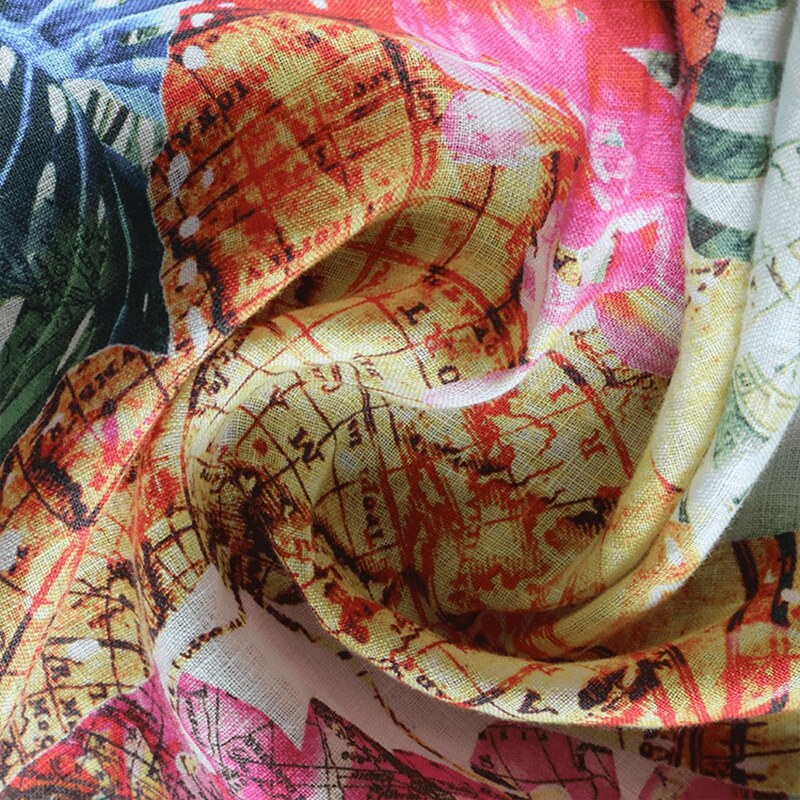
Pure linen printing fabric is made of 100% linen raw materials, adding a rich print pattern on the basis of the original linen fabric, showing a special artistic atmosphere. This fabric feels slightly rough but very soft, with a unique texture.
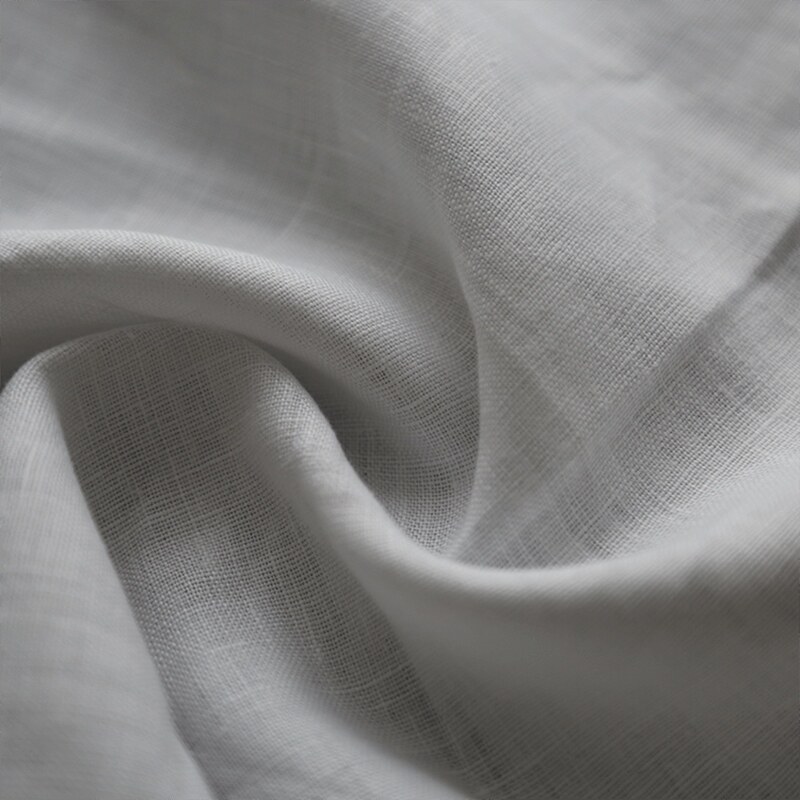
Linen environmentally friendly fabric, with the concept of sustainable development as the core, uses European natural linen fiber as raw material, and is carefully crafted through strict production processes.
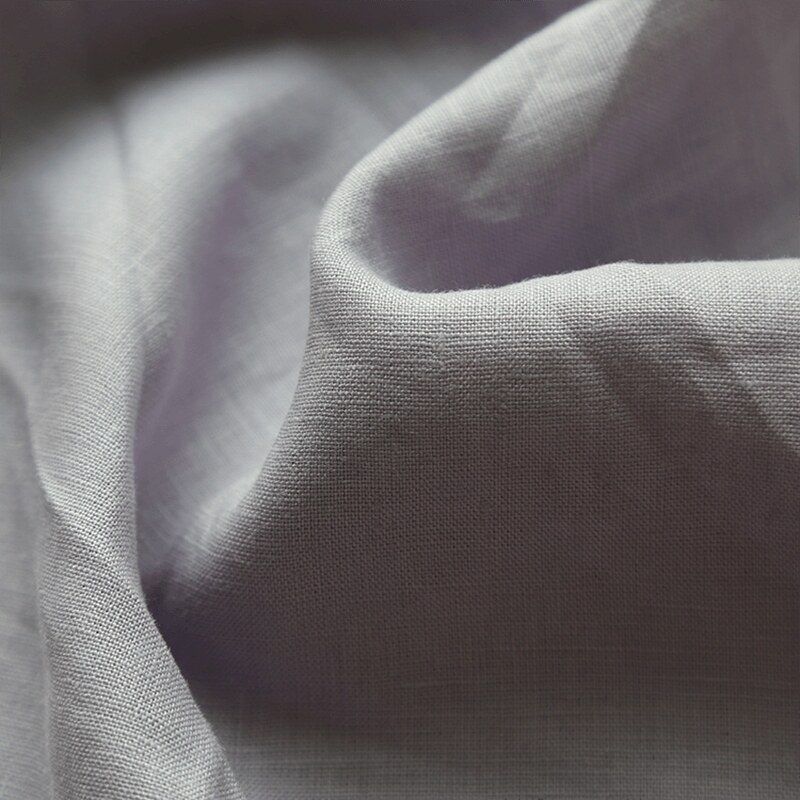
Pure natural linen fabric, originating from the gift of nature, is captivating with its unique texture and excellent quality. It is made of high-quality linen fiber refined, soft and smooth to the touch, the natural texture is clearly visible, every inch reveals the beauty of nature.
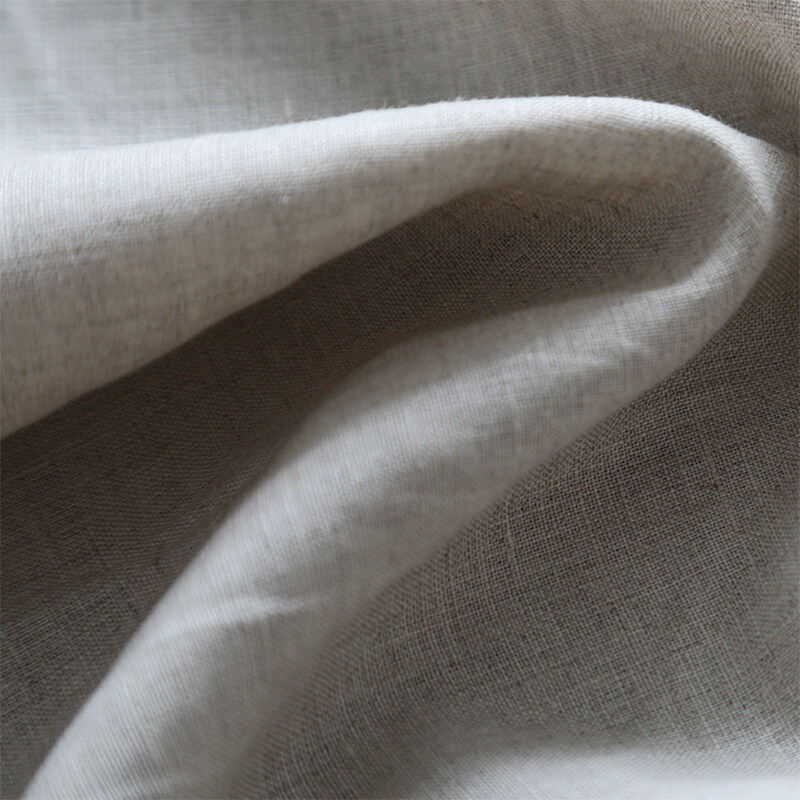
Pure Linen Dew Retting Fabric 150GSM
Pure Linen Rain Dew fabric is made from high quality linen originating from France and other Western European regions, and its unique production and processing methods give it many outstanding characteristics.

Pure linen air wash fabric, selected high-quality linen fibers, through a special process, giving the fabric a unique air wash texture, is the perfect combination of quality and nature. Its material is natural skin-friendly, after air washing process, the fabric is softer and fluffier, as if wrapped in clouds.

Pure Linen Sand Washing Fabric 120GSM
Pure linen sand washing fabric is made of 100% linen raw material with sand wash process, the fabric has a unique texture and charm. Pure linen material is natural and environmentally friendly, with good breathability and moisture absorption, so that you feel comfortable when wearing or using.

Pure Linen Twill Fabric 180GSM
Pure linen twill fabric, with its natural and simple qualities, interprets the pursuit of modern fashion and comfort coexist. Pure linen material, natural and environmentally friendly and comfortable, its twill texture is a major highlight. Delicate regular twill like flowing lines, adding a unique sense of dynamics and three-dimensional fabric.

Pure Linen Herringbone Fabric 155GSM
Pure linen herringbone fabric products, with their unique herringbone twill design, show the elegant texture of linen material, which is a perfect fusion of nature and fashion. Pure linen material is very comfortable to touch and of good quality.

Pure Linen Dobby Fabric 230GSM
Pure linen jacquard fabric is made of linen raw materials from France and woven through fine craftsmanship. It is favored for its unique texture and elegant jacquard pattern. This fabric usually has a natural beige or light brown tone, showing the natural beauty of linen.
What is Slub Linen Fabric
Linen fabric with slub, with a unique texture and natural style, compared with other fabrics more artistic. It is selected high-quality linen fibers, woven with exquisite craftsmanship, presenting a natural, simple beauty, this unique texture also makes the product more personalized and fashionable.In the production process, it has gone through a number of fine processes. Through a special textile process, the slub effect is created, making the fabric more three-dimensional and enhancing the toughness and wear resistance of the fabric.
Benefits of Slub Linen Fabric
People enjoy wearing slub linen fabric it is incredibly permeable and flexible, particularly when it is sweltering and warm. The super-absorbency and comfiness allow it to provide great slub linen fabric health benefits as well.even during summertime, airy linen clothing takes centre stage, and the limelight since slub linen fabric has these remarkable features that are ideal for the seasons. Due to its comfy nature, it may help to stimulate healthy blood flow, which can lessen your health concerns overall, too.
The increased global consciousness of the harmful ramifications of climate change drives the majority of us to acquire and select resources and sustainable items.fortunately, there are many health benefits of wearing linen as it is one of the cleanest and most ecological textiles available! It's ultra-hygienic, starting with its source, the flax plant, which can thrive in poverty-stricken settings with little water and no fertilizer.
Slub linen fabric is the world's greatest natural textile and more sustainable than cotton. It's long-lasting and very durable and the fibre's tenacity directly adds to the durability of the fabric used to make the clothing. As a result, slub linen fabric apparel is extremely durable.a nice cotton t-shirt will last you a few seasons, but a slub linen fabric blouse or frock will last much longer. Slub linen fabric clothing will not change its form after laundering; in fact, it will get smoother and more comfortable on the skin with time.
Slub linen fabric clothes are generally odour resistant and therefore won't be steeped in smells or embarrass you when you have to wear it too long, especially in warm weather.moreover, slub linen fabric may be machine cleaned; just remember to use cold water and avoid bleach or chemicals with optical bleaches, which might damage the fibre. Slub linen fabric garments may be tumble-dried or let dry naturally.and of course, you can wash slub linen fabric using any process and there won't be lingering odours, be it annoying cleaning liquids or the dampness that comes with washing.
Types of Slub Linen Fabric
Plain Weave Linen
The most common and well-known variety of linen fabric is plain weave linen. It has a basic over-and-under pattern that results in a tight and robust construction. This linen is commonly used in clothing, such as shirts, blouses, and dresses, as well as table linens and curtains. It is great for warm weather because to its lightweight and ventilated nature.
Damask Linen
Damask linen is known for its intricate patterns and designs woven into the fabric. Typically, the pattern is formed by using satin weaves and contrasting matte weaves, resulting in a luxurious and textured appearance. Damask linen is frequently used in tablecloths, napkins, and high-end home décor items.
Towel Linen
As the name suggests, towel linen is specifically designed for towels and other similar products. It is characterised by a looser weave that provides excellent absorbency and quick drying capabilities. Towel linen is highly durable and able to withstand frequent washing, making it a popular choice for bath towels and kitchen towels.
Sheeting Linen
Sheeting linen is a greater weight fabric utilised as bed sheets and pillowcases. It has a weave with a looser structure, providing it a soft and pleasant feel. Sheeting linen is renowned for its breathability as well as its ability to control the body's temperature, making it a perfect option for a good night's rest.
Upholstery Linen
Upholstery linen is a strong fabric generated solely for furniture upholstery. It is highly durable and not prone to wear and tear, so it's perfect for high-traffic areas. Upholstery linen can give an impression of beauty to any space while delivering comfort and durability.
Handkerchief Linen
Handkerchief linen, also referred to as handkerchief-weight linen, is a light, airy fabric. It's used in handkerchiefs, light-weight scarves, and clothing that is delicate. Handkerchief linen is ideal for warm-weather accessories owing to its softness and breathability.
Application of Slub Linen Fabric
Clothing
Slub linen fabric is popularly used in the fashion industry for various types of clothing. Its lightweight, breathable, and moisture-wicking properties make it ideal for summer clothing such as dresses, skirts, shirts, blouses, and pants.linen clothing offers comfort, durability, and a stylish, casual look.
Home textiles
Slub linen fabric is widely used in home textiles and interior decoration. It is commonly used for curtains, drapes, upholstery, tablecloths, napkins, placemats, and cushion covers.linen's natural texture and elegant appearance add a touch of sophistication and a relaxed, rustic feel to home interiors.
Bedding
Slub linen fabric is highly valued for bedding due to its breathability, moisture-wicking abilities, and softness. It is commonly used for bed sheets, pillowcases, duvet covers, and bedspreads.linen bedding provides a comfortable and luxurious sleep experience, keeping users cool in hot weather and warm in cold weather.
Towels
Slub linen fabric's absorbency and quick-drying properties make it suitable for towels. Linen towels are lightweight, highly absorbent, and dry faster than towels made from other materials.they are commonly used in bathrooms, kitchens, and for beach or poolside purposes.
Crafts and diy projects
Slub linen fabric is a popular choice for various crafts and diy projects. Its strength and durability make it suitable for sewing bags, purses, aprons, and accessories.linen's natural texture and earthy look also make it a favored fabric for embroidery, cross-stitch, and other decorative stitching projects.
Upholstery
Slub linen fabric is often used for upholstery due to its durability and resistance to wear and tear. It can be found covering sofas, chairs, ottomans, and other furniture pieces.linen upholstery adds a touch of elegance and sophistication to interior spaces.
This Is How to Tell if You're Buying Real Flax Linen
Natural creases
Real flax linen will be easy to spot, thanks to its beautiful, natural creases throughout the fabric. This is because it does not have high elasticity and therefore does not spring back into shape. Instead, it holds its folded shape and any natural creases, giving it a soft, worn-in silhouette.Other types of manchester, however, will often resist wrinkles and be springy to the touch. Beware any line imitators that look too perfectly ironed! They're likely to not be the real deal.
Flax linen gets softer over time
This is a hard one to tell when you're out shopping, but something to keep an eye on with your linen products is how they age. Real flax linen will slowly become softer and softer with every single wash. Box fresh linen does tend to have a certain roughness to it, but a few spins around the washing machine will wear all those grooves down, leaving you with a smooth, luxuriously comfortable fabric to sleep in.
The fabric should be sturdy
Though linen has a low GSM – grams per square meter, or the metric by which fabric is weighed – the actual fibre itself is incredibly strong and durable. A good set of linen sheets is an investment for years and years because of the long shelf life of linen as a fabric. The sturdiness and durability of genuine flax linen means that the fabric doesn't show wear and tear as you wash it.
Look for the slubs
When you buy a set of flax linen sheets from Bed Threads, you might notice tiny little globules of imperfections dotted throughout the weave. These are called 'slubs', and they're actually naturally-occurring and the mark of true linen. Machine-made linen fashioned from polyester will not have any slubs at all. You can feel these slubs by running your hand over the fabric and paying attention to the small barely perceptible bumps. These are part of linen's organic appeal, and are a mark of a high-quality, authentic fabric.
Spill some water
Okay, you might not be able to take a bottle of water with you to sprinkle over a swatch of linen, but one way to tell that what you're buying is the real deal and not a fake version is to see how fast it absorbs liquid. Because linen has such high moisture-wicking qualities, it absorbs water incredibly fast. While other fabrics might stay a mess if you spill some liquids on them, linen will take on all that excess water at high speeds. In fact, linen can absorb 20% of its own body weight before it starts to show dampness, which is part of what makes the fabric so special.
Get touchy-feely
The only way to tell true flax linen is get really up close and personal with it. When you touch linen, you'll notice the thick nature of the weave, the slubs, and also the coolness of the temperature. No matter the time of day, linen will feel cool to the touch, which is how you can tell you're touching authentic flax fabrics and not imitations.
Process of Slub Linen Fabric
Cultivation
Linen is derived from the flax plant, which is cultivated in various regions around the world. The plant is typically grown in areas with cool and cloudy weather to ensure the best quality fibers.
Harvesting
Flax plants are harvested when the seed heads turn golden and the plants reach maturity. The fiber extraction process requires the plants to be fully developed.
Retting
After harvesting, the flax stems undergo a process called retting. Retting involves separating the flax fibers from the rest of the plant material. There are different methods of retting, including water retting, dew retting, and chemical retting.Water retting is the most common method, where the flax stems are soaked in water to allow bacteria and fungi to break down the pectin that binds the fibers to the stem.
Scutching
Once the retting process is complete, the flax stems are dried and then crushed to remove the outer woody portion, leaving behind the flax fibers. This step is known as scutching.
Hackling/Heckling
The next step is hackling or heckling, which involves combing the flax fibers to remove any remaining impurities and align them in parallel. This process helps to separate the long fibers from the short ones and results in a more refined fiber bundle.
Spinning
After hackling, the flax fibers are ready for spinning. Spinning is the process of twisting the fibers together to form linen yarn or thread. This can be done using both traditional spinning techniques and modern machinery.
Weaving
Once the linen yarn is produced, it can be woven into fabric. Linen fabric can be woven using various techniques, including plain weave, twill weave, and damask weave. Each technique creates a different texture and pattern on the fabric.
Finishing
After weaving, the linen fabric undergoes finishing processes to enhance its appearance and performance. These processes may include bleaching, dyeing, and softening.
Ironing
Linen is prone to wrinkles, but ironing is not always necessary.If you prefer a more casual look, you can embrace the natural creases of your linen products. However, if you want a more polished look, you can iron your linen products.Always use a low to medium heat setting and iron while the linen is still slightly damp. You can also use a steamer to remove wrinkles.
Soaking
If your linen products are heavily soiled, you can soak them in lukewarm water with a mild detergent or soap.Avoid soaking for too long as it can damage the fibers. After soaking, rinse the linen products thoroughly and air-dry them.
Spun into yarn
Linen fibers are spun into yarn, which is then woven into fabric.The quality of the yarn affects the quality of the linen fabric. High-quality linen yarn is strong, smooth, and uniform in thickness. Low-quality linen yarn is rough, uneven, and prone to breaking.
Body
Linen is a breathable fabric that keeps you cool in the summer and warm in the winter.It is also hypoallergenic and gentle on the skin. However, linen is prone to wrinkles and requires proper care to maintain its quality and longevity.
Our Factory


Our Certificates


