

Safety regulations and changing workplace expectations are reshaping demand for protective textiles across multiple industries
The global market for protective clothing is experiencing a shift as companies place greater attention on worker safety, material performance, and long-term durability. Among the materials gaining increased recognition is flame retardant cotton woven fabric, which is being adopted by manufacturers of industrial uniforms, protective garments, and safety equipment in sectors where exposure to heat and fire remains a daily concern.
Industries including energy, metal processing, welding, chemical manufacturing, and transportation have traditionally relied on protective fabrics made from synthetic fibers. However, growing discussions around comfort, breathability, and environmental impact are encouraging many companies to reconsider cotton-based alternatives. Flame retardant cotton woven fabric combines the familiar comfort of natural cotton with enhanced resistance against ignition, making it suitable for workers who require both protection and wearability during extended shifts.
Recent changes in occupational safety practices across different regions have accelerated this trend. Employers are facing increasing pressure to provide protective equipment that meets updated safety expectations while also improving employee comfort. Many workers spend eight to twelve hours wearing protective clothing, and fabrics that restrict movement or create excessive heat can affect productivity and acceptance among users.

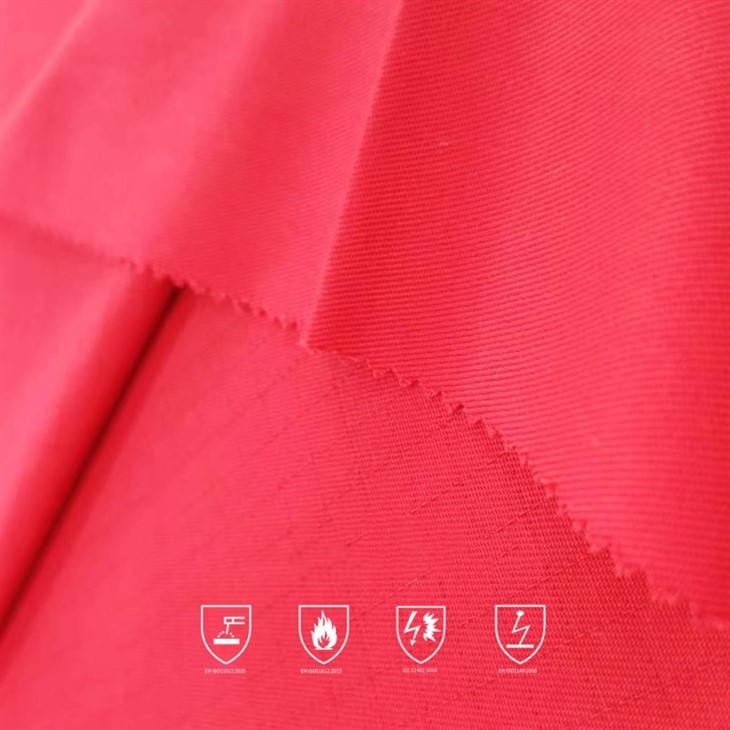
Manufacturers of flame retardant cotton woven fabric have responded by improving fabric structures, finishing techniques, and quality control processes. Instead of focusing only on fire resistance, producers are paying more attention to factors such as fabric strength, washing performance, color retention, and comfort after repeated use. These improvements have helped cotton-based protective fabrics gain wider acceptance in demanding industrial environments.
The global supply chain landscape is also influencing purchasing decisions. Companies are increasingly seeking reliable textile partners that can provide consistent quality and adapt to changing international standards. Recent disruptions in shipping, raw material costs, and regional production capacity have encouraged buyers to evaluate suppliers based on stability rather than price alone.
Another important factor behind the rising interest is the growing preference for sustainable materials. Cotton remains one of the most widely used natural fibers worldwide, and many companies are exploring ways to reduce dependence on certain synthetic materials without compromising safety requirements. Flame retardant cotton woven fabric offers a balance between traditional textile advantages and modern protective needs.
Market observers believe demand will continue expanding as more industries recognize that protective clothing is not simply a safety requirement but also part of overall workplace management. Companies are investing in equipment that supports employee confidence, reduces replacement frequency, and aligns with evolving environmental goals.
As global industries continue to modernize, flame retardant cotton woven fabric is expected to play a larger role in protective apparel markets. Its combination of natural comfort, functional protection, and adaptability to different applications positions it as a material attracting increasing attention from manufacturers and end users worldwide.