

Global industries are rethinking workplace protection as manufacturers seek more reliable materials for increasingly demanding environments
As industrial operations become more complex and workplace safety requirements continue to evolve, companies across manufacturing, energy, transportation, and emergency services are paying closer attention to the materials used in protective equipment. Recent industrial incidents involving heat exposure, electrical hazards, and unexpected fire risks have accelerated the search for fabrics that can provide dependable protection without limiting worker mobility and comfort.
Among the materials gaining attention is Modacrylic Polyimide Flame Retardant Fabric, a specialized textile designed for environments where resistance to heat and flame is a critical requirement. The growing interest in this type of fabric reflects a broader shift in the global safety market, where companies are moving beyond traditional protective clothing solutions and looking for materials that can perform under more challenging conditions.
Industrial safety experts note that modern workplaces are changing rapidly. Manufacturing facilities are introducing automated systems, high-temperature processing equipment, and advanced energy technologies, creating new risks that require updated protective strategies. In sectors such as chemical production, metal processing, electrical maintenance, and oil and gas operations, employees may face sudden exposure to flames, intense heat, or thermal hazards.
Traditional protective fabrics have played an important role for decades, but industry demand is increasingly focused on balancing protection with usability. Workers often wear protective clothing for long periods, meaning factors such as fabric weight, flexibility, durability, and comfort have become just as important as flame resistance.

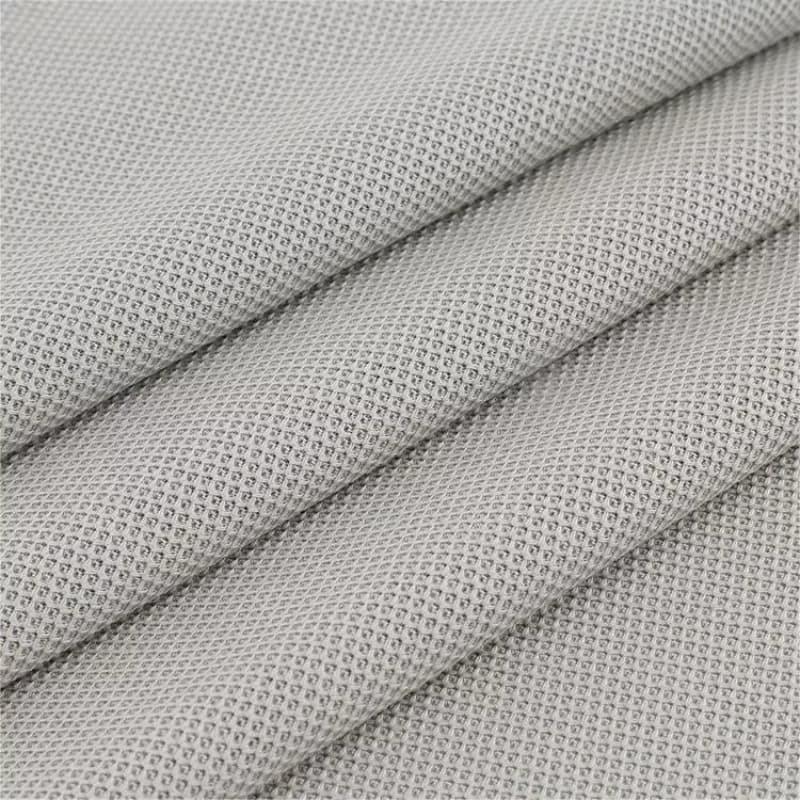
This is where Modacrylic Polyimide Flame Retardant Fabric has attracted attention. By combining the characteristics of modacrylic fibers with polyimide-based performance, the fabric is designed for applications requiring enhanced thermal protection and long-term reliability. Its potential use extends across protective garments, industrial uniforms, and specialized equipment where exposure to heat-related risks is a concern.
The demand for improved flame-resistant textiles is also being influenced by regulatory developments in many regions. Governments and safety organizations continue to strengthen occupational protection standards, encouraging businesses to review their existing safety equipment and adopt more effective solutions. Companies are increasingly aware that protective clothing is not simply an operational expense but an important investment in workforce safety and business continuity.
Beyond compliance, manufacturers are also facing pressure from employees and customers to demonstrate stronger safety commitments. A serious workplace accident can affect not only workers but also production schedules, company reputation, and supply chain relationships. As a result, many businesses are taking a more proactive approach by selecting protective materials before problems occur.
The development of advanced flame-retardant fabrics also reflects changes in the global textile industry. Researchers and manufacturers are exploring ways to create materials that offer specialized protection while maintaining practical characteristics for everyday use. The goal is not only to create fabrics that resist fire but also to support workers who depend on them in demanding conditions.
With industrial environments continuing to evolve, the role of advanced protective textiles is expected to become increasingly important. Modacrylic Polyimide Flame Retardant Fabric represents one example of how material innovation is responding to modern safety challenges, helping industries prepare for a future where protection, comfort, and reliability must work together.
As companies worldwide reassess their workplace safety strategies, flame-resistant fabrics are moving from a specialized requirement to a key part of broader industrial risk management. The next generation of protective materials will likely play a significant role in shaping safer workplaces across multiple industries.